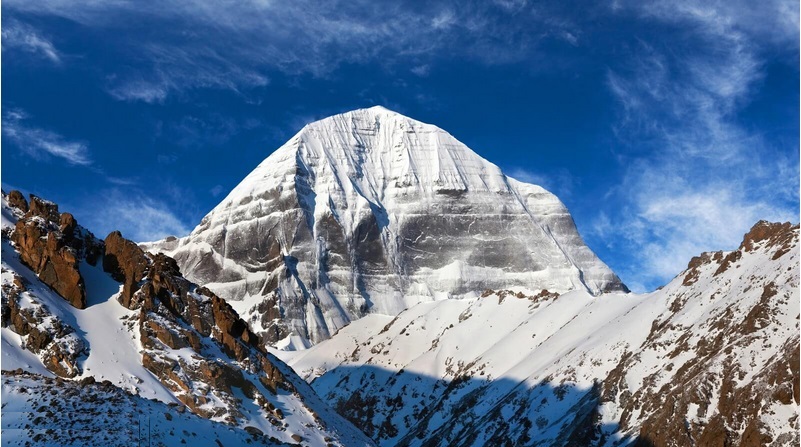
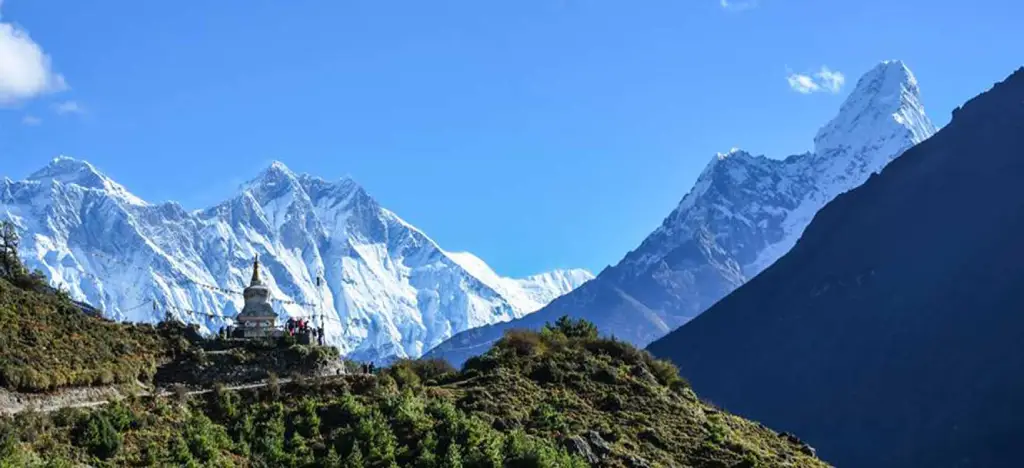
Combining adventure and spirituality, treks to Kedarnath, Kailash Mansarovar, and other Himalayan spots offer both inner peace and natural beauty. Many retreats also include spiritual discourses and group meditation at high-altitude monasteries.
Yugantar
2 months ago
Combining adventure and spirituality, treks to Kedarnath, Kailash Mansarovar, and other Himalayan spots offer both inner peace and natural beauty. Many retreats also include spiritual discourses and group meditation at high-altitude monasteries.
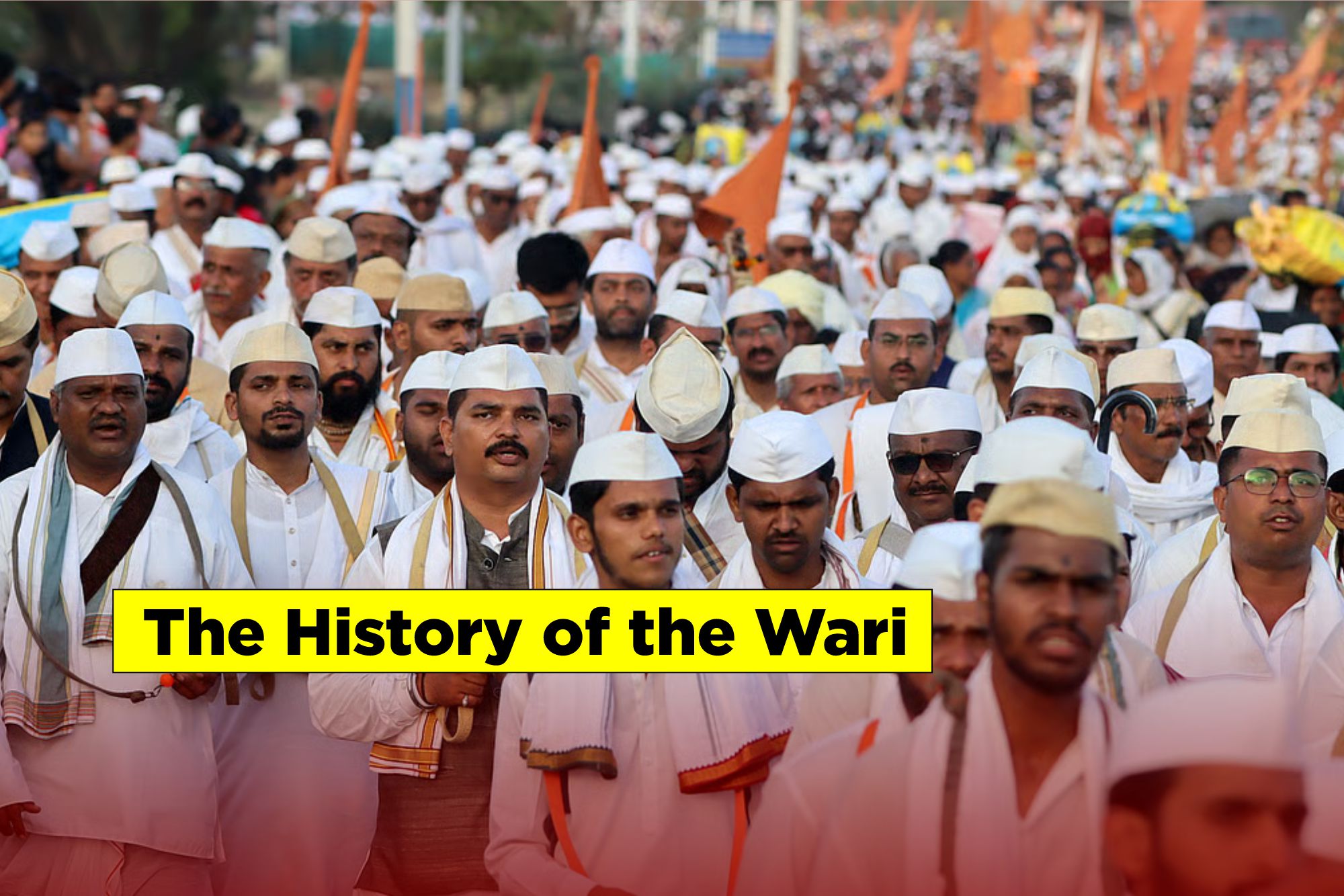
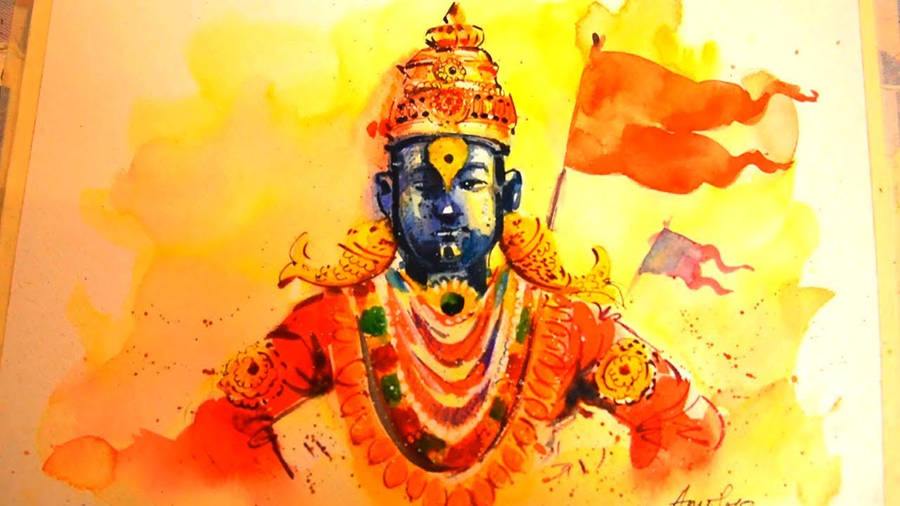
The history of the Wari In the world we live in today, where people are constantly rushing from one task to the next, there’s a tradition that slows everything down, not because it’s slow, but because it teaches us the value of walking together. That tradition is Wari, or Vari Parampara, a centuries-old spiritual journey that brings together millions of devotees every year in Maharashtra. What is Wari? Wari is a pilgrimage where people, called Warkaris, walk for hundreds of kilometres to reach the holy town of Pandharpur, the home of Lord Vitthal (Vithoba), a form of Lord Krishna. They walk with palkhis (palanquins) carrying the footprints or symbolic belongings of saints like Sant Dnyaneshwar and Sant Tukaram. A Tradition of Over 700 Years This incredible tradition has been followed for over 700 years. It started with the teachings of great saints like Sant Dnyaneshwar, Sant Tukaram, Sant Namdev, and many others who believed that God lives among the people, not only in temples. For them, walking together to Pandharpur was a way of expressing love and surrender to Vitthal not just with prayers, but with action, sweat, and shared human spirit. Who Are the Warkaris? Warkaris are not defined by age, caste, class, or education. They are farmers, students, workers, housewives, everyday people with extraordinary faith. Wearing simple white clothes, tulsi malas, and a small bag, they walk joyfully, singing abhangas (devotional songs), playing tal, mridang, and ektara. They help each other, feed strangers, and live simply along the route. There’s no show, no luxury, just pure devotion and community spirit. Lessons from the Wari In today’s digital world, where people often feel disconnected despite being online, the Wari teaches us to reconnect with ourselves and each other. Here’s what Wari gives us: Patience – Walking long distances requires strength and control. Equality – Everyone walks together. No one is above or below. Discipline – Daily prayers, songs, and service bring focus to the mind. Unity – People from different villages, backgrounds, and beliefs move like one big family. Gratitude – Even with minimum resources, Warkaris are filled with joy and thankfulness. Why Wari Still Matters Today It shows us that faith doesn’t need big temples or expensive rituals. It just needs a willing heart and a walking step. In a time when the world needs more love, kindness, and togetherness, the Vari Parampara is not just relevant, it’s necessary. Final Thought You may not be a Warkari, and you may never walk in the Wari. But even learning about it reminds us of what really matters: faith, simplicity, and walking together on life’s path.
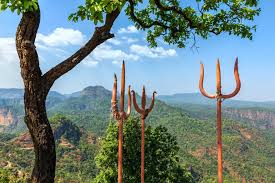
Organized by Brahma Kumaris, these retreats offer Rajyoga meditation, silence sessions, and teachings on soul consciousness. They are ideal for people looking to unplug from urban chaos and dive into self-reflection.
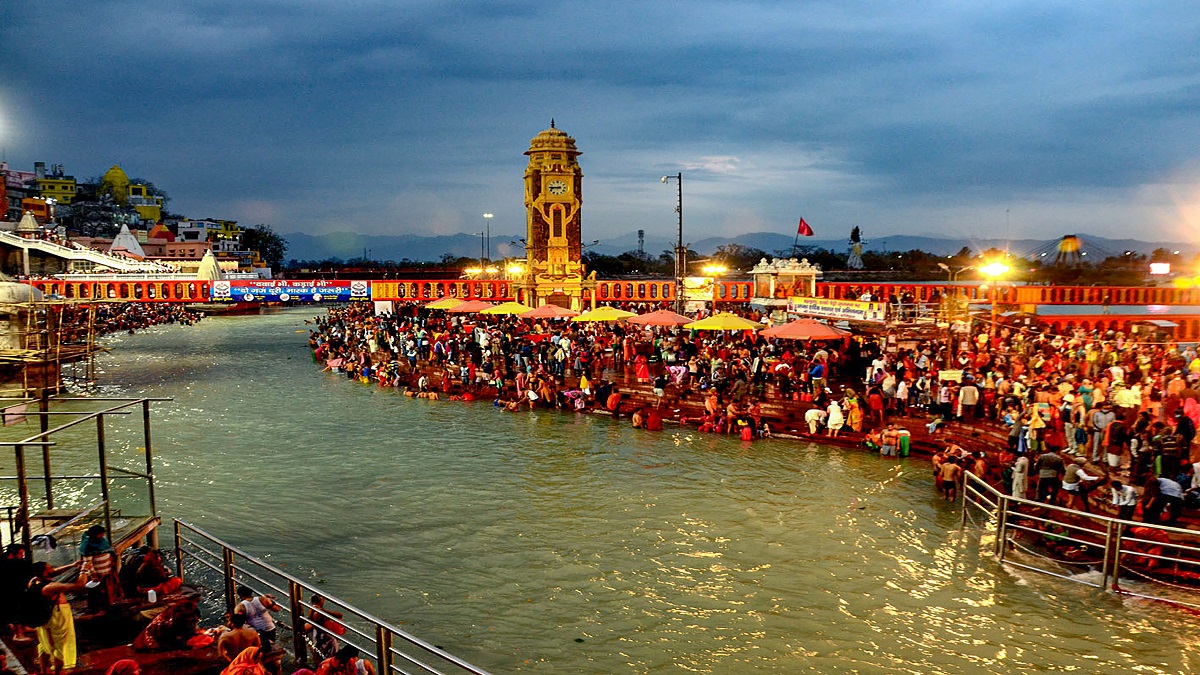
In today's fast-paced digital world, people are increasingly seeking peace, mindfulness, and a deeper connection with their inner self. This has given rise to a wave of spiritual events and retreats across the globe that are gaining massive popularity in 2025. Here’s a look at some of the most trending spiritual events that are drawing thousands of seekers from all walks of life: 1. International Yoga Festival (Rishikesh, India) Held every March at the Parmarth Niketan Ashram in Rishikesh, this week-long event gathers yoga lovers and spiritual leaders from around the world. It's more than just yoga—it's about transformation, meditation, healing music, and cultural exchange. 2. Kumbh Mela (Prayagraj, India) Although the full-scale Kumbh Mela happens every 12 years, mini versions called Ardh Kumbh and Magh Mela are also highly attended. These events are rooted in ancient tradition, where millions gather for a holy dip in sacred rivers believed to cleanse karma and bring spiritual liberation. 3. World Consciousness Forum (USA & Online) This global summit is a meeting ground for modern-day spiritual thinkers, neuroscientists, monks, and authors. The 2025 edition focuses on "Spirituality in the Age of AI", exploring how technology can support higher consciousness rather than distract from it. 4. Full Moon Silent Retreats (Bali & Costa Rica) Silent retreats are becoming a modern spiritual trend, and the full moon versions are especially popular. These retreats allow participants to disconnect from the noise of everyday life and reconnect with nature, inner peace, and spiritual practices like Vipassana meditation. 5. Astro-Spiritual Workshops (Online + India-based centers) With astrology gaining new popularity among youth, astro-spiritual workshops combining birth chart analysis, energy healing, and manifestation techniques are trending. These are ideal for people seeking both guidance and self-discovery.
दैनंदिन पूजा अर्थपूर्ण होण्यासाठी विस्तृत असण्याची गरज नाही — तिच्या मुळाशी कृतज्ञता आणि नात्याची एक शांत, सातत्यपूर्ण कृती आहे. बहुतेक परंपरा पूजास्थान स्वच्छ करून दिवा आणि उदबत्ती लावण्यापासून सुरू होतात, त्यानंतर निवडलेल्या देवतेच्या उपस्थितीसाठी आणि आशीर्वादासाठी एक संक्षिप्त आवाहन केले जाते. फुले, पाणी, कुंकवाचा टिळा आणि नैवेद्य (भक्तिभावाने अर्पण केलेले अन्न) यांसारख्या गोष्टी हात जोडून अर्पण केल्या जातात, अनेकदा एखाद्या आवडत्या मंत्रासह किंवा आरतीसह. क्रम — शुद्धीकरण, आवाहन, अर्पण आणि समारोपाची प्रार्थना — यामागील प्रामाणिक भावनेइतका महत्त्वाचा नाही; दररोज सकाळचे पाच एकाग्र मिनिटेही उर्वरित दिवस स्थिर ठेवू शकतात. अनेक कुटुंबे एक ठराविक वेळ, सहसा सूर्योदयाची, राखून ठेवतात जेणेकरून हा विधी अधूनमधूनच्या जबाबदारीऐवजी एक स्थिर सवय बनेल. शेवटी, दैनंदिन पूजा ही समारंभापेक्षा जीवनाच्या दिनक्रमात चिंतन, नम्रता आणि कृतज्ञतेसाठी एक नियमित विराम जोपासण्याशी अधिक संबंधित आहे.
A daily puja need not be elaborate to be meaningful, at its heart, it is a quiet, consistent act of gratitude and connection. Most traditions begin with cleaning the puja space and lighting a lamp (diya) and incense, followed by a short invocation asking for the presence and blessings of the chosen deity. Offerings such as flowers, water, a tilak of kumkum, and naivedya (food offered in devotion) are presented with folded hands, often accompanied by a favourite mantra or aarti. The order, purification, invocation, offering, and closing prayer, matters less than the sincerity behind it; even five focused minutes each morning can anchor the rest of the day. Many households keep a fixed time, typically at sunrise, to build the ritual into a steady habit rather than an occasional obligation. Ultimately, daily puja is less about ceremony and more about cultivating a regular pause for reflection, humility and gratitude amid life's routine.
दोन हजार वर्षांहूनही आधी महर्षी पतंजलींनी संकलित केलेले योगसूत्र हे शास्त्रीय योगदर्शनाचा एक मूलभूत ग्रंथ आहे, जो चार अध्यायांत मांडलेल्या १९६ संक्षिप्त सूत्रांच्या स्वरूपात सादर केला आहे. हा ग्रंथ केवळ शारीरिक आसनांची पुस्तिका नाही, तर योगाची व्याख्या 'चित्तवृत्तिनिरोध' — म्हणजेच मनाच्या चंचलतेला शांत करणे — अशी करतो, आणि त्या स्थैर्याकडे नेणारा पद्धतशीर मार्ग म्हणून अष्टांग योग, म्हणजेच आठ अंगांचा मार्ग मांडतो. ही आठ अंगे — यम (नैतिक संयम), नियम (वैयक्तिक आचरण), आसन (मुद्रा), प्राणायाम (श्वास नियंत्रण), प्रत्याहार (इंद्रियनिग्रह), धारणा (एकाग्रता), ध्यान (मनन) आणि समाधी (तल्लीनता) — बाह्य शिस्तीपासून आंतरिक जाणिवेकडे क्रमाक्रमाने घेऊन जातात. योगसूत्रे मानवी जीवनातील सार्वत्रिक संघर्षांना — विचलन, आसक्ती, भीती आणि अस्वस्थता — संबोधित करतात, आणि अमूर्त सिद्धांताऐवजी व्यावहारिक मार्गदर्शन देतात. आजही, जगभरातील योगसाधक पतंजलींच्या या चौकटीकडे केवळ शारीरिक सरावासाठीच नव्हे, तर मन अधिक चांगल्या प्रकारे समजून घेण्यासाठी आणि टिकाऊ आंतरिक स्थैर्य जोपासण्यासाठीही वळतात.
दो हजार वर्ष से भी पहले महर्षि पतंजलि द्वारा संकलित योग सूत्र, शास्त्रीय योग दर्शन का एक मूल ग्रंथ है, जिसे चार अध्यायों में संगठित 196 संक्षिप्त सूत्रों के रूप में प्रस्तुत किया गया है। यह ग्रंथ केवल शारीरिक आसनों की पुस्तिका नहीं है, बल्कि योग को 'चित्त वृत्ति निरोध' — अर्थात मन की चंचलताओं को शांत करना — के रूप में परिभाषित करता है, और उस स्थिरता की ओर एक व्यवस्थित मार्ग के रूप में अष्टांग योग, यानी आठ अंगों वाले मार्ग को प्रस्तुत करता है। ये आठ अंग — यम (नैतिक संयम), नियम (व्यक्तिगत आचरण), आसन (मुद्रा), प्राणायाम (श्वास नियंत्रण), प्रत्याहार (इंद्रियों का निग्रह), धारणा (एकाग्रता), ध्यान (मनन) और समाधि (लीनता) — बाह्य अनुशासन से आंतरिक जागरूकता की ओर क्रमिक रूप से बढ़ते हैं। योग सूत्र मानव जीवन के सार्वभौमिक संघर्षों — विचलन, आसक्ति, भय और बेचैनी — को संबोधित करते हैं, और अमूर्त सिद्धांत के बजाय व्यावहारिक मार्गदर्शन प्रदान करते हैं। आज भी, विश्वभर के योग साधक पतंजलि के इस ढांचे की ओर न केवल शारीरिक अभ्यास को गहरा करने के लिए, बल्कि मन को बेहतर समझने और स्थायी आंतरिक स्थिरता विकसित करने के लिए भी देखते हैं।
Compiled by the sage Patanjali over two thousand years ago, the Yoga Sutras are a foundational text of classical yoga philosophy, presented as 196 concise aphorisms organised into four chapters. Far from being only a manual of physical postures, the text defines yoga as 'chitta vritti nirodha', the stilling of the fluctuations of the mind, and lays out the Ashtanga, or eight-limbed path, as a systematic route towards that stillness. These eight limbs, yama (ethical restraints), niyama (personal observances), asana (posture), pranayama (breath control), pratyahara (withdrawal of the senses), dharana (concentration), dhyana (meditation) and samadhi (absorption), move progressively from outward discipline to inward awareness. The Sutras address universal human struggles: distraction, attachment, fear and restlessness, offering practical guidance rather than abstract theory. Even today, practitioners of yoga around the world turn to Patanjali's framework not just to deepen a physical practice, but to better understand the mind and cultivate lasting inner steadiness.