Welcome to SARGANDHA • Join as a Partner →
Play
विष्णु सहस्रनाम: भगवान विष्णूंची हजार नावे

विष्णु सहस्रनाम: भगवान विष्णूंची हजार नावे

S

Sargandha admin

2 months ago

105 views ·2 months ago
#Spiritual

विष्णु सहस्रनाम हे एक पवित्र स्तोत्र आहे, ज्यात हिंदू त्रिमूर्तीतील पालनकर्ता मानल्या जाणाऱ्या भगवान विष्णूंच्या हजार नावांचा उल्लेख आहे, जे महाभारताच्या अनुशासन पर्वात आढळते. प्रत्येक नाव परमेश्वराच्या एका गुणाचे किंवा वैशिष्ट्याचे वर्णन करते — निर्माता, पालनकर्ता, सर्वव्यापी, संपूर्ण अस्तित्वाचा स्रोत आणि धर्माचे मूर्तिमंत स्वरूप म्हणून. परंपरेने एकादशी आणि इतर शुभ दिवशी पठण केले जाणारे हे स्तोत्र वैष्णव परंपरेतील भक्तीच्या सर्वात प्रभावी आणि संपूर्ण अभिव्यक्तींपैकी एक मानले जाते, श्रद्धेने आणि समजुतीने पठण करणाऱ्यांना शांती, समृद्धी आणि संकटांपासून संरक्षण मिळते अशी श्रद्धा आहे. धार्मिक विधींच्या पलीकडे, विद्वान विष्णु सहस्रनामाला एक सखोल तात्त्विक ग्रंथ देखील मानतात, कारण यातील अनेक नावे कोणत्याही व्यक्तिगत रूपाचे नव्हे तर विश्वाच्या मुळाशी असलेल्या परम सत्याच्या निराकार स्वरूपाचे वर्णन करतात — यामुळे हे भक्तीबरोबरच परम सत्यावरील एक सखोल चिंतनही ठरते.

More Trending Topic

Spiritual Daily Puja Vidhi: A Simple Guide
Sargandha admin · 2 MONTHS AGO

Daily Puja Vidhi: A Simple Guide

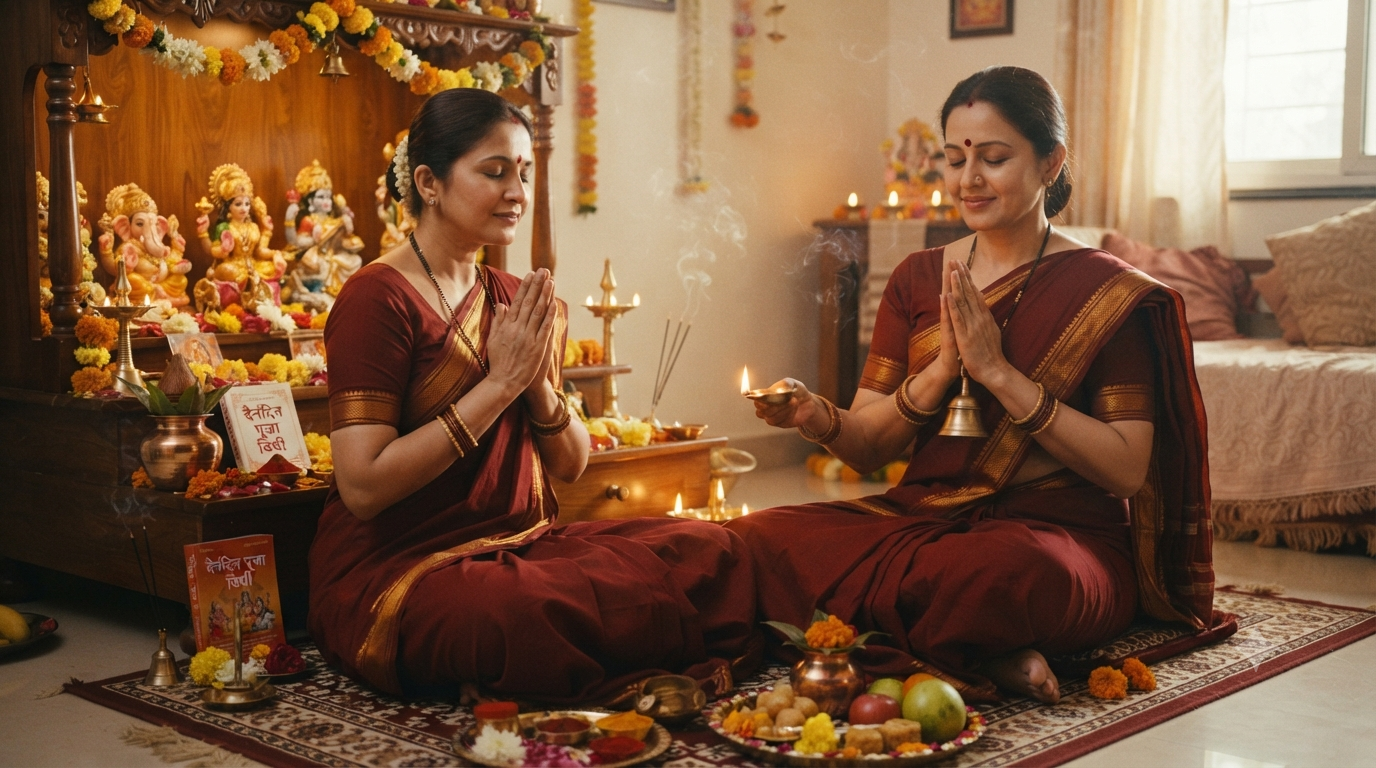
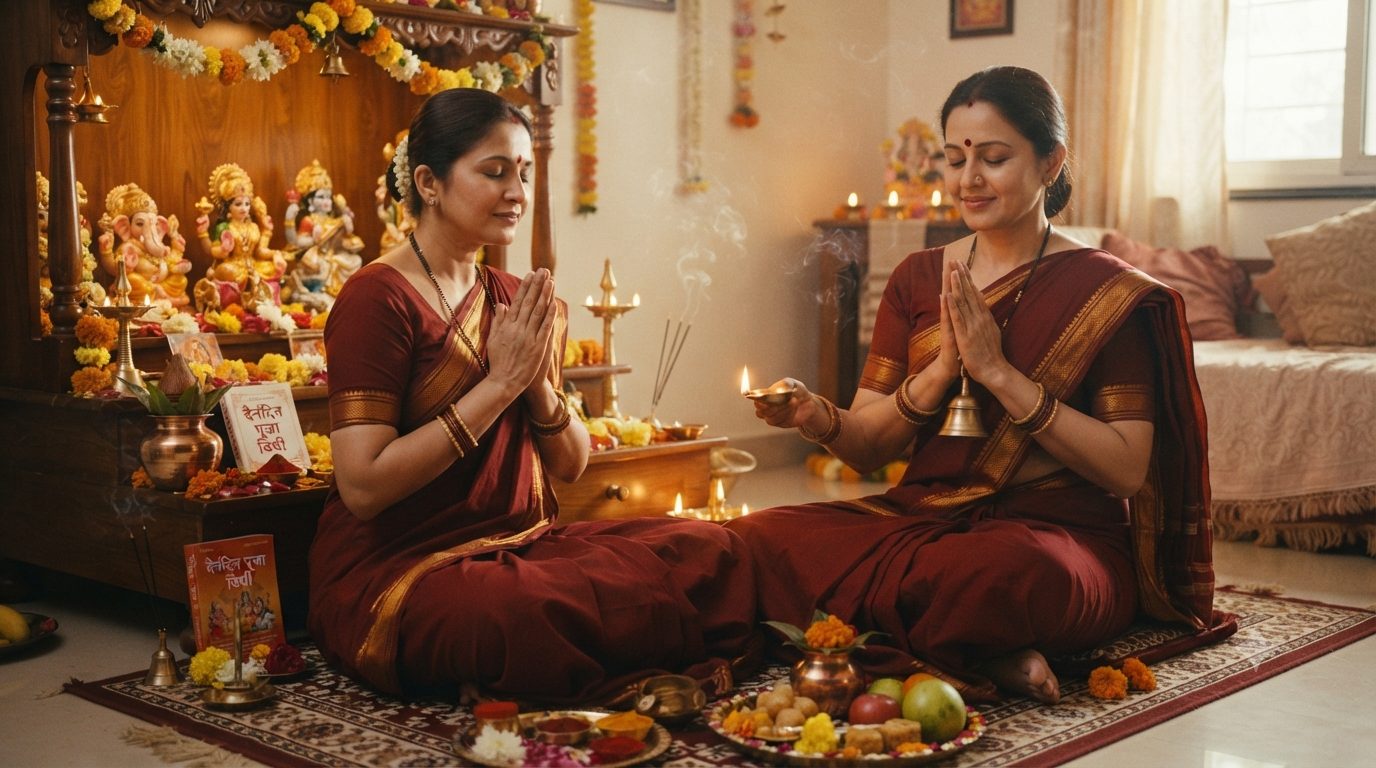
A daily puja need not be elaborate to be meaningful, at its heart, it is a quiet, consistent act of gratitude and connection. Most traditions begin with cleaning the puja space and lighting a lamp (diya) and incense, followed by a short invocation asking for the presence and blessings of the chosen deity. Offerings such as flowers, water, a tilak of kumkum, and naivedya (food offered in devotion) are presented with folded hands, often accompanied by a favourite mantra or aarti. The order, purification, invocation, offering, and closing prayer, matters less than the sincerity behind it; even five focused minutes each morning can anchor the rest of the day. Many households keep a fixed time, typically at sunrise, to build the ritual into a steady habit rather than an occasional obligation. Ultimately, daily puja is less about ceremony and more about cultivating a regular pause for reflection, humility and gratitude amid life's routine. Daily puja is an important part of Indian culture and Hindu traditions. Beginning the day with prayers and remembering God brings a sense of peace, devotion and positivity into our daily lives. Many people believe that performing puja requires a long ritual or an extensive collection of पूजा materials. However, daily worship can be simple and meaningful with a few essential puja items and sincere devotion. Whether you have a dedicated home temple or a small prayer corner, you can follow a simple daily puja routine according to your family traditions. In this guide, we will explain the daily puja vidhi, essential puja samagri and simple steps to perform worship at home. 1. Wake Up and Remember God Traditionally, daily puja begins with remembering God after waking up in the morning. Wake up early whenever possible. Take a bath and wear clean clothes. Begin your day with a peaceful mind. Remember your Ishta Devta (chosen deity). Prepare yourself for prayer and worship. Starting the morning with gratitude and devotion helps create a positive mindset. 2. Clean Your Home Temple Before beginning puja, clean your home temple or prayer area. Follow these simple steps: Clean the puja platform and surrounding area. Wipe the idols and pictures with a clean, soft cloth. Remove old flowers and dried leaves. Clean the diya and incense holder. Arrange fresh flowers and puja items neatly. A clean and organised prayer space creates a peaceful environment for worship. 3. Essential Puja Samagri for Daily Worship You do not need many items for daily puja. Some basic puja essentials are enough to follow a simple worship routine. Daily Puja Samagri Checklist Diya (oil or ghee lamp) Cotton wicks (Batti) Ghee or sesame oil Agarbatti (incense sticks) Dhoop or Sambrani Camphor (Kapoor) Roli and Kumkum Akshat (uncooked rice) Chandan (sandalwood paste) Fresh flowers Water in a small vessel Puja thali Bell (Ghanti) Prasad or fruits You can choose the items according to your family traditions and the deity you worship. 4. Light the Diya Lighting a diya is one of the most important parts of traditional Hindu worship. Place a clean diya in front of the deity and use a cotton wick with ghee or oil. While lighting the diya, remember God and pray for peace, happiness and prosperity for your family. A diya symbolises light, knowledge and the removal of darkness. 5. Offer Agarbatti and Dhoop After lighting the diya, offer agarbatti or dhoop to the deity. The pleasant fragrance of incense creates a devotional atmosphere in the prayer area. You can choose from different varieties, such as: Traditional agarbatti Bambooless incense sticks Natural incense Dhoop sticks Sambrani cups Use incense products according to your preference and ensure proper ventilation. 6. Apply Tilak and Offer Flowers Apply roli, kumkum or chandan tilak to the deity according to your tradition. Next, offer fresh flowers or a flower garland. You can also offer akshat (uncooked rice) as part of the worship. Different deities may have different traditional offerings, so follow the customs practised in your family. 7. Chant Mantras and Pray Mantra chanting is an important part of daily puja. It helps bring focus and devotion during worship. Here are some commonly recited Hindu mantras: Lord Ganesha Mantra Om Gan Ganapataye Namah. Lord Shiva Mantra Om Namah Shivaya. Lord Vishnu Mantra Om Namo Bhagavate Vasudevaya. Goddess Durga Mantra Om Dum Durgaye Namah. You may chant your preferred mantra 11, 21 or 108 times, depending on your time and tradition. Even a few minutes of sincere prayer can make your daily worship meaningful. 8. Perform Aarti Aarti is generally performed towards the end of daily puja. Light the camphor or use an aarti diya, according to your family tradition. Move the aarti plate gently in front of the deity while singing devotional aarti. You may ring the temple bell during aarti and invite family members to participate. After completing the aarti, fold your hands and pray for the well-being of your family. 9. Offer Prasad After completing the prayers, offer prasad to God. Some common offerings include: Fresh fruits Mishri Homemade sweets Dry fruits Traditional homemade prasad After offering it to the deity, distribute the prasad among family members. This completes the daily puja with gratitude and devotion. 10. Important Things to Remember During Daily Puja Here are some simple practices to maintain during everyday worship: Keep the home temple clean. Use clean puja utensils and materials. Remove dried flowers regularly. Keep the diya in a safe place. Avoid leaving burning incense unattended. Maintain a peaceful environment during prayers. Follow your family traditions. Perform puja with sincerity rather than focusing only on rituals. How Much Time Should You Spend on Daily Puja? There is no fixed duration for daily puja. You can decide the time according to your daily routine. Here is an example of a simple 15-minute morning puja routine: Puja Activity Time Cleaning the temple 2 minutes Lighting diya and agarbatti 2 minutes Offering flowers and tilak 2 minutes Mantra chanting and prayer 5 minutes Aarti and prasad 4 minutes Total 15 minutes The most important part of daily worship is devotion and consistency, not the number of minutes spent. Conclusion Daily puja is a beautiful way to begin your day with faith, gratitude and devotion. You do not need complicated rituals or an elaborate arrangement to worship at home. A clean prayer space, a diya, agarbatti, fresh flowers, simple prayers and sincere devotion are enough to create a meaningful daily worship routine. Follow the puja practices that suit your family traditions and make daily worship a peaceful part of your everyday life. Make your daily worship more meaningful with Yugantar – Your destination for essential puja samagri and devotional products.

Spiritual पतंजलींचे योगसूत्र: एक ओळख
Sargandha admin · 2 MONTHS AGO

पतंजलींचे योगसूत्र: एक ओळख

दोन हजार वर्षांहूनही आधी महर्षी पतंजलींनी संकलित केलेले योगसूत्र हे शास्त्रीय योगदर्शनाचा एक मूलभूत ग्रंथ आहे, जो चार अध्यायांत मांडलेल्या १९६ संक्षिप्त सूत्रांच्या स्वरूपात सादर केला आहे. हा ग्रंथ केवळ शारीरिक आसनांची पुस्तिका नाही, तर योगाची व्याख्या 'चित्तवृत्तिनिरोध' — म्हणजेच मनाच्या चंचलतेला शांत करणे — अशी करतो, आणि त्या स्थैर्याकडे नेणारा पद्धतशीर मार्ग म्हणून अष्टांग योग, म्हणजेच आठ अंगांचा मार्ग मांडतो. ही आठ अंगे — यम (नैतिक संयम), नियम (वैयक्तिक आचरण), आसन (मुद्रा), प्राणायाम (श्वास नियंत्रण), प्रत्याहार (इंद्रियनिग्रह), धारणा (एकाग्रता), ध्यान (मनन) आणि समाधी (तल्लीनता) — बाह्य शिस्तीपासून आंतरिक जाणिवेकडे क्रमाक्रमाने घेऊन जातात. योगसूत्रे मानवी जीवनातील सार्वत्रिक संघर्षांना — विचलन, आसक्ती, भीती आणि अस्वस्थता — संबोधित करतात, आणि अमूर्त सिद्धांताऐवजी व्यावहारिक मार्गदर्शन देतात. आजही, जगभरातील योगसाधक पतंजलींच्या या चौकटीकडे केवळ शारीरिक सरावासाठीच नव्हे, तर मन अधिक चांगल्या प्रकारे समजून घेण्यासाठी आणि टिकाऊ आंतरिक स्थैर्य जोपासण्यासाठीही वळतात.

Spiritual पतंजलि के योग सूत्र: एक परिचय
Sargandha admin · 2 MONTHS AGO

पतंजलि के योग सूत्र: एक परिचय

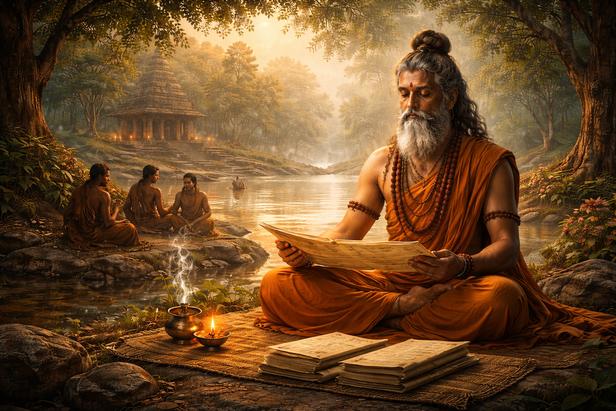
दो हजार वर्ष से भी पहले महर्षि पतंजलि द्वारा संकलित योग सूत्र, शास्त्रीय योग दर्शन का एक मूल ग्रंथ है, जिसे चार अध्यायों में संगठित 196 संक्षिप्त सूत्रों के रूप में प्रस्तुत किया गया है। यह ग्रंथ केवल शारीरिक आसनों की पुस्तिका नहीं है, बल्कि योग को 'चित्त वृत्ति निरोध' — अर्थात मन की चंचलताओं को शांत करना — के रूप में परिभाषित करता है, और उस स्थिरता की ओर एक व्यवस्थित मार्ग के रूप में अष्टांग योग, यानी आठ अंगों वाले मार्ग को प्रस्तुत करता है। ये आठ अंग — यम (नैतिक संयम), नियम (व्यक्तिगत आचरण), आसन (मुद्रा), प्राणायाम (श्वास नियंत्रण), प्रत्याहार (इंद्रियों का निग्रह), धारणा (एकाग्रता), ध्यान (मनन) और समाधि (लीनता) — बाह्य अनुशासन से आंतरिक जागरूकता की ओर क्रमिक रूप से बढ़ते हैं। योग सूत्र मानव जीवन के सार्वभौमिक संघर्षों — विचलन, आसक्ति, भय और बेचैनी — को संबोधित करते हैं, और अमूर्त सिद्धांत के बजाय व्यावहारिक मार्गदर्शन प्रदान करते हैं। आज भी, विश्वभर के योग साधक पतंजलि के इस ढांचे की ओर न केवल शारीरिक अभ्यास को गहरा करने के लिए, बल्कि मन को बेहतर समझने और स्थायी आंतरिक स्थिरता विकसित करने के लिए भी देखते हैं। भारत की प्राचीन संस्कृति और आध्यात्मिक परंपरा में योग का विशेष स्थान है। योग केवल शारीरिक व्यायाम या अलग-अलग आसन करने की प्रक्रिया नहीं है, बल्कि यह शरीर, मन और आत्मा के बीच संतुलन स्थापित करने का एक महत्वपूर्ण मार्ग है। योग दर्शन को व्यवस्थित और दार्शनिक स्वरूप प्रदान करने वाले प्रमुख ग्रंथों में महर्षि पतंजलि के योग सूत्र का विशेष महत्व है। पतंजलि योग सूत्र हमें मन को नियंत्रित करने, विचारों को शांत रखने, एकाग्रता बढ़ाने और आत्मिक शांति प्राप्त करने का मार्ग दिखाते हैं। आज के व्यस्त जीवन में तनाव, चिंता और मानसिक अशांति आम समस्याएं बन गई हैं। ऐसे समय में महर्षि पतंजलि की शिक्षाएं हमें संयम, अनुशासन और सकारात्मक जीवन जीने की प्रेरणा देती हैं। आइए जानते हैं पतंजलि के योग सूत्र क्या हैं, उनका अर्थ क्या है और हमारे जीवन में उनका क्या महत्व है। महर्षि पतंजलि कौन थे? महर्षि पतंजलि भारतीय योग दर्शन के महान ऋषियों में से एक माने जाते हैं। उनका नाम भारतीय दर्शन और योग परंपरा में अत्यंत आदर के साथ लिया जाता है। उन्हें पतंजलि योग सूत्रों का रचयिता माना जाता है। उन्होंने योग के गहन सिद्धांतों को छोटे-छोटे संस्कृत सूत्रों के माध्यम से समझाया। उनकी शिक्षाओं में मन की प्रकृति, विचारों का नियंत्रण, ध्यान, एकाग्रता, आत्मसंयम और आध्यात्मिक मुक्ति जैसे विषयों का वर्णन मिलता है। उनके द्वारा बताए गए योग के सिद्धांत आज भी योग साधकों और आध्यात्मिक ज्ञान प्राप्त करने के इच्छुक लोगों के लिए मार्गदर्शक हैं पतंजलि के योग सूत्र क्या हैं? पतंजलि योग सूत्र प्राचीन संस्कृत भाषा में लिखा गया योग दर्शन का एक महत्वपूर्ण ग्रंथ है। यह ग्रंथ चार अध्यायों में विभाजित है, जिन्हें पाद कहा जाता है। प्रचलित गणना के अनुसार इसमें 195 या 196 सूत्र माने जाते हैं। इस ग्रंथ का मुख्य उद्देश्य मन की चंचलता को नियंत्रित करके उसे शांत, स्थिर और एकाग्र बनाना है। पतंजलि योग सूत्र का सबसे प्रसिद्ध सूत्र है: "योगश्चित्तवृत्तिनिरोधः" इसका अर्थ है: मन की चंचल वृत्तियों को नियंत्रित करना ही योग है। मन में लगातार अनेक विचार, इच्छाएं, भावनाएं और कल्पनाएं आती रहती हैं। योग का अभ्यास हमें इन विचारों को समझने और मन को संतुलित रखने में सहायता करता है। जब मन शांत और एकाग्र होता है, तब व्यक्ति अपने वास्तविक स्वरूप को बेहतर ढंग से समझ सकता है। पतंजलि योग सूत्र के चार अध्याय पतंजलि के योग सूत्र चार प्रमुख अध्यायों में विभाजित हैं। 1. समाधिपाद (Samadhi Pada) समाधिपाद में योग की परिभाषा, मन की वृत्तियों और समाधि की अवस्था का वर्णन किया गया है। यह अध्याय बताता है कि मन को शांत और एकाग्र करके ध्यान की गहरी अवस्था तक कैसे पहुंचा जा सकता है। 2. साधनापाद (Sadhana Pada) साधनापाद में योग अभ्यास और साधना के महत्व को समझाया गया है। इस अध्याय में अष्टांग योग का वर्णन मिलता है। इसमें अनुशासन, नैतिक जीवन, आसन, प्राणायाम और ध्यान के महत्व को बताया गया है। 3. विभूतिपाद (Vibhuti Pada) विभूतिपाद में धारणा, ध्यान और समाधि के गहन अभ्यास से जुड़ी विशेष आध्यात्मिक क्षमताओं का वर्णन है। इन विशेष क्षमताओं को विभूति कहा जाता है। 4. कैवल्यपाद (Kaivalya Pada) कैवल्यपाद में आध्यात्मिक मुक्ति और आत्मिक स्वतंत्रता का वर्णन किया गया है। कैवल्य का अर्थ है मन और प्रकृति के बंधनों से मुक्त होकर अपने वास्तविक स्वरूप का ज्ञान प्राप्त करना। अष्टांग योग क्या है? योग के आठ अंग पतंजलि योग सूत्र की सबसे महत्वपूर्ण शिक्षाओं में से एक अष्टांग योग है। 'अष्ट' का अर्थ आठ और 'अंग' का अर्थ भाग होता है। इस प्रकार अष्टांग योग का अर्थ है योग के आठ अंग। 1. यम (Yama) यम का अर्थ है समाज में रहते हुए पालन किए जाने वाले नैतिक नियम। इसके पांच प्रकार हैं: अहिंसा: किसी भी जीव को शारीरिक या मानसिक कष्ट न देना। सत्य: हमेशा सत्य बोलना और सत्य का पालन करना। अस्तेय: चोरी न करना और दूसरों की वस्तु पर अधिकार न जमाना। ब्रह्मचर्य: इंद्रियों और इच्छाओं पर संयम रखना। अपरिग्रह: आवश्यकता से अधिक वस्तुओं का संग्रह न करना। 2. नियम (Niyama) नियम का अर्थ है अपने जीवन में अपनाए जाने वाले व्यक्तिगत अनुशासन। इसके पांच प्रकार हैं: शौच: शरीर और मन की स्वच्छता। संतोष: जीवन में संतुष्ट और प्रसन्न रहना। तप: अनुशासन और आत्मसंयम का पालन करना। स्वाध्याय: धार्मिक और आध्यात्मिक ग्रंथों का अध्ययन करना। ईश्वर प्रणिधान: ईश्वर के प्रति श्रद्धा और समर्पण रखना। 3. आसन (Asana) आसन का अर्थ है शरीर को स्थिर और आरामदायक स्थिति में रखना। नियमित योगासन करने से शरीर की लचक, संतुलन और शारीरिक स्थिरता को बेहतर बनाने में मदद मिलती है। 4. प्राणायाम (Pranayama) प्राणायाम का अर्थ है श्वास-प्रश्वास का नियमन करना। इसके अभ्यास से श्वास के प्रति जागरूकता बढ़ती है और मन को शांत करने में सहायता मिलती है। 5. प्रत्याहार (Pratyahara) प्रत्याहार का अर्थ है इंद्रियों को बाहरी विषयों से हटाकर भीतर की ओर केंद्रित करना। यह मन को बाहरी आकर्षण और विकर्षणों से दूर रखने का अभ्यास है। 6. धारणा (Dharana) धारणा का अर्थ है मन को किसी एक विशेष वस्तु, विचार या बिंदु पर केंद्रित करना। यह एकाग्रता विकसित करने का महत्वपूर्ण चरण है। 7. ध्यान (Dhyana) ध्यान का अर्थ है किसी एक विषय पर निरंतर और शांत रूप से मन को केंद्रित रखना। नियमित ध्यान से आत्मचिंतन, मानसिक शांति और जागरूकता विकसित करने में मदद मिलती है। 8. समाधि (Samadhi) समाधि अष्टांग योग का अंतिम अंग है। यह ध्यान की अत्यंत गहन अवस्था है, जिसमें साधक का मन पूरी तरह एकाग्र और स्थिर हो जाता है। पतंजलि दर्शन में समाधि को आध्यात्मिक मुक्ति की दिशा में महत्वपूर्ण अवस्था माना गया है। पतंजलि योग सूत्र का जीवन में महत्व पतंजलि के योग सूत्र केवल योग करने वाले लोगों के लिए ही नहीं, बल्कि हर व्यक्ति के दैनिक जीवन के लिए उपयोगी मार्गदर्शन प्रदान करते हैं। इनकी शिक्षाओं को जीवन में अपनाने से: मानसिक शांति: मन को शांत और संतुलित रखने में सहायता मिलती है। एकाग्रता: काम और पढ़ाई में ध्यान केंद्रित करने की क्षमता विकसित होती है। आत्मसंयम: क्रोध, इच्छाओं और भावनाओं पर नियंत्रण रखने की प्रेरणा मिलती है। अनुशासन: जीवन में अच्छी आदतें और नियमितता विकसित होती है। सकारात्मक सोच: जीवन के प्रति संतुलित और सकारात्मक दृष्टिकोण बनता है। आध्यात्मिक विकास: स्वयं को समझने और आत्मचिंतन करने का अवसर मिलता है। आधुनिक जीवन में पतंजलि योग सूत्रों की प्रासंगिकता आज के आधुनिक जीवन में व्यक्ति काम, परिवार, जिम्मेदारियों और अनेक प्रकार की चिंताओं में व्यस्त रहता है। ऐसे में मानसिक शांति और एकाग्रता बनाए रखना चुनौतीपूर्ण हो सकता है। पतंजलि के योग सूत्र हमें सिखाते हैं कि वास्तविक शांति केवल बाहरी परिस्थितियों पर निर्भर नहीं करती, बल्कि हमारे मन और विचारों को समझने से भी प्राप्त होती है। उनकी शिक्षाएं हमें आत्मसंयम, जागरूकता, ध्यान और संतुलित जीवन जीने की प्रेरणा देती हैं। इसी कारण हजारों वर्षों पुरानी यह योग परंपरा आज भी पूरी दुनिया में प्रासंगिक है। निष्कर्ष (Conclusion) पतंजलि के योग सूत्र भारतीय संस्कृति और आध्यात्मिक परंपरा की अमूल्य धरोहर हैं। यह ग्रंथ हमें शरीर, मन और आत्मा के बीच संतुलन स्थापित करने का मार्ग दिखाता है। अष्टांग योग के आठ अंगों के माध्यम से महर्षि पतंजलि ने बताया है कि नैतिक जीवन, अनुशासन, आसन, प्राणायाम, ध्यान और एकाग्रता किस प्रकार आध्यात्मिक उन्नति में सहायक होते हैं। योग केवल शारीरिक व्यायाम नहीं, बल्कि स्वयं को जानने, मन को शांत करने और जीवन को संतुलित बनाने की एक सुंदर यात्रा है। महर्षि पतंजलि की शिक्षाएं हमें यही संदेश देती हैं कि शांत और एकाग्र मन ही सच्चे ज्ञान, आत्मिक शांति और आध्यात्मिक विकास का मार्ग प्रशस्त करता है।

Spiritual Yoga Sutras of Patanjali: An Introduction
Sargandha admin · 2 MONTHS AGO

Yoga Sutras of Patanjali: An Introduction

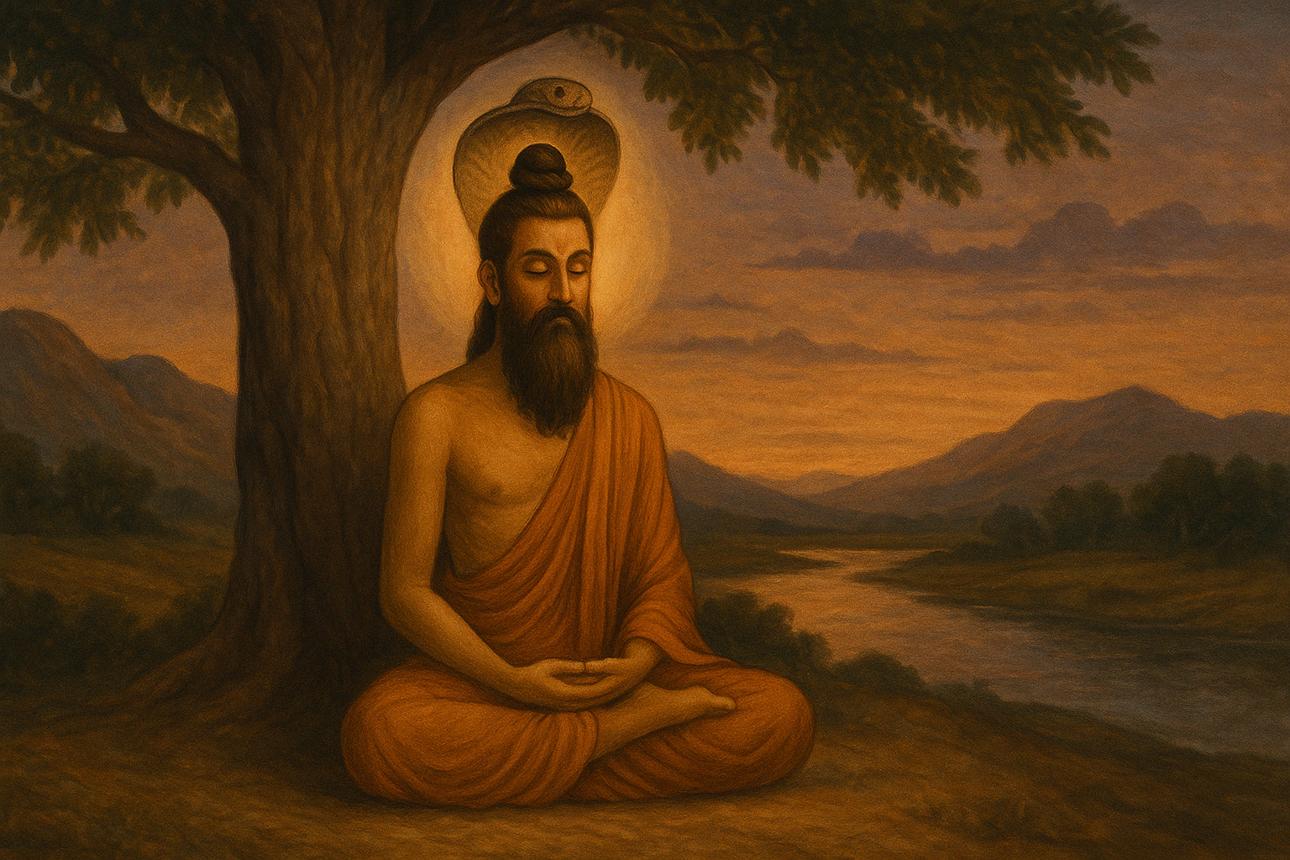
Compiled by the sage Patanjali over two thousand years ago, the Yoga Sutras are a foundational text of classical yoga philosophy, presented as 196 concise aphorisms organised into four chapters. Far from being only a manual of physical postures, the text defines yoga as 'chitta vritti nirodha', the stilling of the fluctuations of the mind, and lays out the Ashtanga, or eight-limbed path, as a systematic route towards that stillness. These eight limbs, yama (ethical restraints), niyama (personal observances), asana (posture), pranayama (breath control), pratyahara (withdrawal of the senses), dharana (concentration), dhyana (meditation) and samadhi (absorption), move progressively from outward discipline to inward awareness. The Sutras address universal human struggles: distraction, attachment, fear and restlessness, offering practical guidance rather than abstract theory. Even today, practitioners of yoga around the world turn to Patanjali's framework not just to deepen a physical practice, but to better understand the mind and cultivate lasting inner steadiness.y Yoga is one of the most valuable gifts of ancient Indian tradition to the world. It is not simply a physical exercise or a practice of performing different postures. Yoga is a holistic discipline that helps bring balance between the body, mind, and inner self. Among the most important classical texts of Indian yoga philosophy are the Yoga Sutras of Patanjali, traditionally attributed to Maharishi Patanjali. This ancient text explains the principles of yoga and provides guidance on controlling the mind, developing concentration, practising meditation, and progressing towards spiritual freedom. Even today, the teachings of Patanjali remain relevant because they encourage self-discipline, inner peace, awareness, and a balanced lifestyle. Let's explore the meaning, philosophy, importance, and eight limbs of yoga described in the Yoga Sutras of Patanjali. Who Was Maharishi Patanjali? Maharishi Patanjali is one of the most respected figures in the Indian tradition of yoga philosophy. He is traditionally associated with the composition of the Yoga Sutras, one of the foundational texts of classical yoga. His teachings present the principles of yoga in the form of short, meaningful Sanskrit statements known as sutras. These teachings explain the nature of the human mind, mental fluctuations, concentration, meditation, discipline, and spiritual liberation. The Yoga Sutras have influenced generations of yoga practitioners, spiritual seekers, and students of Indian philosophy. What Are the Yoga Sutras of Patanjali? The Yoga Sutras of Patanjali are a collection of concise Sanskrit teachings that explain the philosophy and practice of yoga. The word "Sutra" means a thread or concise statement that expresses a deeper idea in a few words. The text is traditionally divided into four chapters, known as Padas, and contains 195 or 196 sutras depending on the textual tradition and method of counting. One of the most famous teachings from the Yoga Sutras is: "Yogash Chitta Vritti Nirodhah" This Sanskrit statement is commonly translated as: "Yoga is the stilling of the fluctuations of the mind." It explains that yoga is a process of understanding and calming the continuous thoughts, emotions, and mental activities that influence our daily lives. According to Patanjali, when the mind becomes calm and focused, a person can experience greater clarity, awareness, and inner peace. The Four Chapters of the Yoga Sutras The Yoga Sutras are divided into four important chapters. Each chapter explains a different aspect of yoga philosophy and spiritual development. 1. Samadhi Pada – The Chapter on Concentration Samadhi Pada introduces the meaning and purpose of yoga. It explains the nature of the mind, different mental activities, concentration, and the state of Samadhi. This chapter teaches that controlling mental fluctuations is essential for achieving inner peace and deeper awareness. 2. Sadhana Pada – The Chapter on Practice Sadhana Pada focuses on the practical aspects of yoga. It introduces the concept of Ashtanga Yoga, or the Eight Limbs of Yoga, and explains the importance of discipline, ethical behaviour, physical posture, breath regulation, and meditation. It encourages individuals to develop regular habits that support personal and spiritual growth. 3. Vibhuti Pada – The Chapter on Spiritual Accomplishments Vibhuti Pada explains the advanced practices of concentration, meditation, and Samadhi. It discusses special abilities or experiences traditionally associated with deep yogic practice. These are called Vibhutis. The chapter also reminds practitioners that extraordinary experiences should not become distractions from the ultimate goal of yoga. 4. Kaivalya Pada – The Chapter on Liberation Kaivalya Pada discusses the highest goal of yoga: spiritual liberation or Kaivalya. It explores consciousness, the nature of the mind, and freedom from the limitations that bind human awareness. This chapter represents the philosophical culmination of Patanjali's teachings. The Eight Limbs of Yoga (Ashtanga Yoga) One of the most important contributions of the Yoga Sutras is the explanation of Ashtanga Yoga, which means the Eight Limbs of Yoga. These eight limbs provide a systematic path towards self-discipline, concentration, meditation, and spiritual awareness. 1. Yama – Ethical Principles Yama refers to ethical guidelines that help individuals live peacefully and responsibly in society. It consists of five principles: Ahimsa: Practising non-violence and kindness towards all living beings. Satya: Speaking and following the truth. Asteya: Avoiding stealing or taking what does not belong to us. Brahmacharya: Practising self-control and moderation. Aparigraha: Avoiding unnecessary possessions and excessive attachment. 2. Niyama – Personal Discipline Niyama refers to personal habits and disciplines that help improve one's inner life. It includes five principles: Shaucha: Maintaining cleanliness of the body and mind. Santosha: Developing contentment and gratitude. Tapas: Practising discipline and dedication. Svadhyaya: Studying spiritual texts and understanding oneself. Ishvara Pranidhana: Surrendering to and having devotion towards the Divine. 3. Asana – Physical Postures Asana refers to physical postures practised to develop stability and comfort in the body. Regular yoga practice can help improve flexibility, balance, posture, and physical awareness. In Patanjali's philosophy, an asana should be steady and comfortable, preparing the body for meditation. 4. Pranayama – Regulation of Breath Pranayama refers to the regulation of breathing. It involves developing awareness of the breath and practising appropriate breathing techniques. Pranayama is traditionally considered an important practice for preparing the mind for concentration and meditation. Beginners should learn breath-control techniques under qualified guidance. 5. Pratyahara – Withdrawal of the Senses Pratyahara means withdrawing the senses from external distractions and directing attention inward. It helps practitioners become less controlled by outside attractions and develop greater awareness of their inner experiences. 6. Dharana – Concentration Dharana means focusing the mind on a particular object, thought, sound, or point. It is the practice of developing one-pointed concentration and reducing mental distractions. 7. Dhyana – Meditation Dhyana refers to a continuous and uninterrupted flow of concentration. During meditation, the mind remains steadily focused without constantly shifting from one thought to another. Regular meditation can encourage self-awareness, calmness, and mental clarity. 8. Samadhi – State of Deep Absorption Samadhi is the final limb of Ashtanga Yoga. It represents a profound state of meditative absorption in which the distinction between the observer and the object of meditation becomes progressively refined. In Patanjali's philosophy, Samadhi is an essential part of the journey towards spiritual liberation. Importance of the Yoga Sutras in Daily Life The teachings of Patanjali are not limited to spiritual practitioners. Their principles can also guide people in everyday life. Here are some important benefits of applying these teachings: 1. Mental Peace: Practising mindfulness and meditation can help develop a calmer and more balanced mind. 2. Better Concentration: Dharana teaches the importance of focusing on one task at a time. 3. Self-Discipline: Yama and Niyama encourage good habits, ethical behaviour, and personal responsibility. 4. Emotional Balance: Yoga philosophy encourages awareness of thoughts and emotions rather than reacting impulsively. 5. Positive Living: Principles such as truthfulness, non-violence, and contentment encourage healthier relationships and a more thoughtful lifestyle. 6. Spiritual Growth: Meditation and self-study help individuals understand themselves more deeply. How to Begin Practising the Teachings of Patanjali You do not need to become an expert in yoga to begin learning from the Yoga Sutras. You can start with a few simple practices: Spend a few minutes every day sitting quietly and observing your breath. Practise kindness, honesty, and self-control in daily interactions. Include suitable yoga postures in your daily routine. Practise meditation regularly, even if you begin with five minutes. Read one Yoga Sutra at a time and understand its meaning. Develop a habit of self-reflection and gratitude. Maintain consistency and patience in your practice. The purpose is not to achieve perfection immediately but to gradually develop awareness, discipline, and inner balance. Why Are the Yoga Sutras Relevant in Modern Life? Modern lifestyles are often filled with work pressure, responsibilities, distractions, and constant activity. People frequently find it difficult to maintain mental peace and focus. The Yoga Sutras offer timeless principles that encourage individuals to slow down, understand their thoughts, develop self-control, and live with greater awareness. Their teachings remind us that true peace does not depend entirely on external circumstances. It also comes from understanding and training our own minds. This is why Patanjali's philosophy continues to inspire yoga practitioners around the world. Conclusion The Yoga Sutras of Patanjali are among the most valuable treasures of ancient Indian philosophy. They provide a systematic understanding of yoga as a path of self-discipline, mental clarity, meditation, and spiritual development. Through the Eight Limbs of Yoga, Maharishi Patanjali explains how ethical living, physical stability, breath awareness, concentration, and meditation work together towards the higher goal of self-realisation. Yoga is much more than physical exercise. It is a journey of understanding the mind, discovering inner strength, and creating harmony within oneself. The timeless message of Patanjali reminds us that when the mind becomes calm and balanced, we move closer to a life of awareness, wisdom, and inner peace.  

Spiritual दुर्गा सप्तशती: माँ जगदंबा की महिमा
Sargandha admin · 2 MONTHS AGO

दुर्गा सप्तशती: माँ जगदंबा की महिमा

दुर्गा सप्तशती, जिसे देवी महात्म्य के नाम से भी जाना जाता है, सात सौ श्लोकों का एक पूजनीय ग्रंथ है जो दिव्य माँ की शक्ति को उनके अनेक रूपों में महिमामंडित करता है। मार्कंडेय पुराण के भाग के रूप में रचित यह ग्रंथ तीन मुख्य प्रसंगों का वर्णन करता है जिनमें देवी ब्रह्मांडीय संतुलन को पुनर्स्थापित करने के लिए प्रकट होती हैं — सबसे प्रसिद्ध रूप से महिषासुर नामक भैंसे के रूप वाले असुर के साथ उनका युद्ध, जिसके अत्याचार ने देवताओं को भी निराश कर दिया था। नवरात्रि के दौरान व्यापक रूप से पाठ किया जाने वाला यह ग्रंथ केवल बुराई पर विजय की कथा नहीं है; इसे शक्ति — ब्रह्मांड में व्याप्त और हर प्राणी में निवास करने वाली स्त्री सृजनात्मक तथा रक्षात्मक ऊर्जा — पर एक चिंतन माना जाता है। इसके तेरह अध्यायों में से प्रत्येक विशिष्ट आशीर्वादों से जुड़ा है, और भक्त प्रायः नवरात्रि की नौ रातों में इसका संपूर्ण पाठ भक्ति और आंतरिक शुद्धिकरण के कार्य के रूप में करते हैं। ग्रंथ में देवी की विजय अंततः यह स्मरण कराती है कि धर्मपूर्ण शक्ति, चाहे कितनी भी विलंबित क्यों न हो, अहंकार और अन्याय पर सदैव विजयी होती है।

Spiritual Durga Saptashati: The Glory of the Divine Mother
Sargandha admin · 2 MONTHS AGO

Durga Saptashati: The Glory of the Divine Mother

Durga Saptashati, also known as Devi Mahatmya, is a revered text of seven hundred verses that celebrates the power of the Divine Mother in her many forms. Composed as part of the Markandeya Purana, it narrates three principal episodes in which the Goddess emerges to restore cosmic balance, most famously her battle with the buffalo demon Mahishasura, whose tyranny had driven even the gods to despair. Recited widely during Navratri, the text is not simply a tale of victory over evil; it is regarded as a meditation on shakti, the feminine creative and protective energy that pervades the universe and resides within every being. Each of its thirteen chapters is associated with specific blessings, and devotees often undertake a complete recitation, or paath, over the nine nights of Navratri as an act of devotion and inner purification. The Goddess's triumph in the text is ultimately a reminder that righteous strength, however delayed, always prevails over arrogance and injustice.

Spiritual रामायण: दैनंदिन जीवनासाठी मुख्य शिकवणी
Sargandha admin · 2 MONTHS AGO

रामायण: दैनंदिन जीवनासाठी मुख्य शिकवणी

महर्षी वाल्मीकींनी रचलेली रामायण केवळ भगवान रामांच्या वनवासाची आणि रावणाशी झालेल्या युद्धाची कथा नाही — ती कर्तव्य, नातेसंबंध आणि धर्मपूर्ण जीवनासाठी एक समृद्ध मार्गदर्शक आहे. रामांची आपल्या वचनाप्रती असलेली अढळ बांधिलकी, त्याची वैयक्तिक किंमत कितीही मोठी असली तरी, सत्यनिष्ठेचे मूल्य दर्शवते; संकटांमध्ये सीतेची शांत शक्ती आणि प्रतिष्ठा हे धैर्याचे प्रतिबिंब आहे; आणि लक्ष्मणाची निःस्वार्थ निष्ठा, जी आपल्या भावासोबत वनवासात जाण्यातून दिसते, बंधुप्रेमाच्या शक्तीबद्दल बोलते. हनुमानजींची विनम्र पण निर्भय सेवा शिकवते की खरी शक्ती अहंकारात नव्हे तर भक्तीत आहे, तर शक्तिशाली रावणाचा अंतिम पाडाव हे स्मरण करून देतो की अहंकार आणि इतरांकडे दुर्लक्ष अखेर विनाशाकडे घेऊन जाते. केवळ धर्मग्रंथ म्हणून नव्हे तर मानवी चारित्र्याचा अभ्यास म्हणून वाचली जाणारी रामायण कौटुंबिक कर्तव्य, संयम, निष्ठा आणि योग्य ते करण्यासाठी आवश्यक असलेल्या शांत धैर्यावर व्यावहारिक शहाणपण देत राहते, मग ते कितीही कठीण का असेना.

Spiritual रामायण: दैनिक जीवन के लिए मुख्य शिक्षाएं
Sargandha admin · 2 MONTHS AGO

रामायण: दैनिक जीवन के लिए मुख्य शिक्षाएं

महर्षि वाल्मीकि द्वारा रचित रामायण केवल भगवान राम के वनवास और रावण के साथ उनके युद्ध की कथा नहीं है — यह कर्तव्य, संबंधों और धर्मपूर्ण जीवन के लिए एक समृद्ध मार्गदर्शिका है। राम की अपने वचन के प्रति अटूट प्रतिबद्धता, चाहे इसकी व्यक्तिगत कीमत कितनी भी बड़ी क्यों न हो, सत्यनिष्ठा के मूल्य को दर्शाती है; कठिनाइयों के बीच सीता की मौन शक्ति और गरिमा दृढ़ता को प्रतिबिंबित करती है; और लक्ष्मण की निःस्वार्थ निष्ठा, जो अपने भाई के साथ वनवास में जाने में झलकती है, भाइयों के बीच भक्ति की शक्ति को दर्शाती है। हनुमान जी की विनम्र किंतु निडर सेवा यह सिखाती है कि सच्ची शक्ति अहंकार में नहीं बल्कि भक्ति में निहित है, जबकि शक्तिशाली रावण का अंततः पतन यह स्मरण कराता है कि अहंकार और दूसरों की उपेक्षा अंततः विनाश की ओर ले जाती है। केवल धर्मग्रंथ के रूप में नहीं बल्कि मानव चरित्र के अध्ययन के रूप में पढ़ी जाने वाली रामायण पारिवारिक कर्तव्य, धैर्य, निष्ठा और सही कार्य करने के लिए आवश्यक मौन साहस पर व्यावहारिक ज्ञान प्रदान करती रहती है, चाहे वह कितना भी कठिन क्यों न हो।