Welcome to Yugantar Life Join as a Creator →

Pandharpur and Its Meaning Today

Pandharpur and Its Meaning Today

Pandharpur and Its Meaning Today

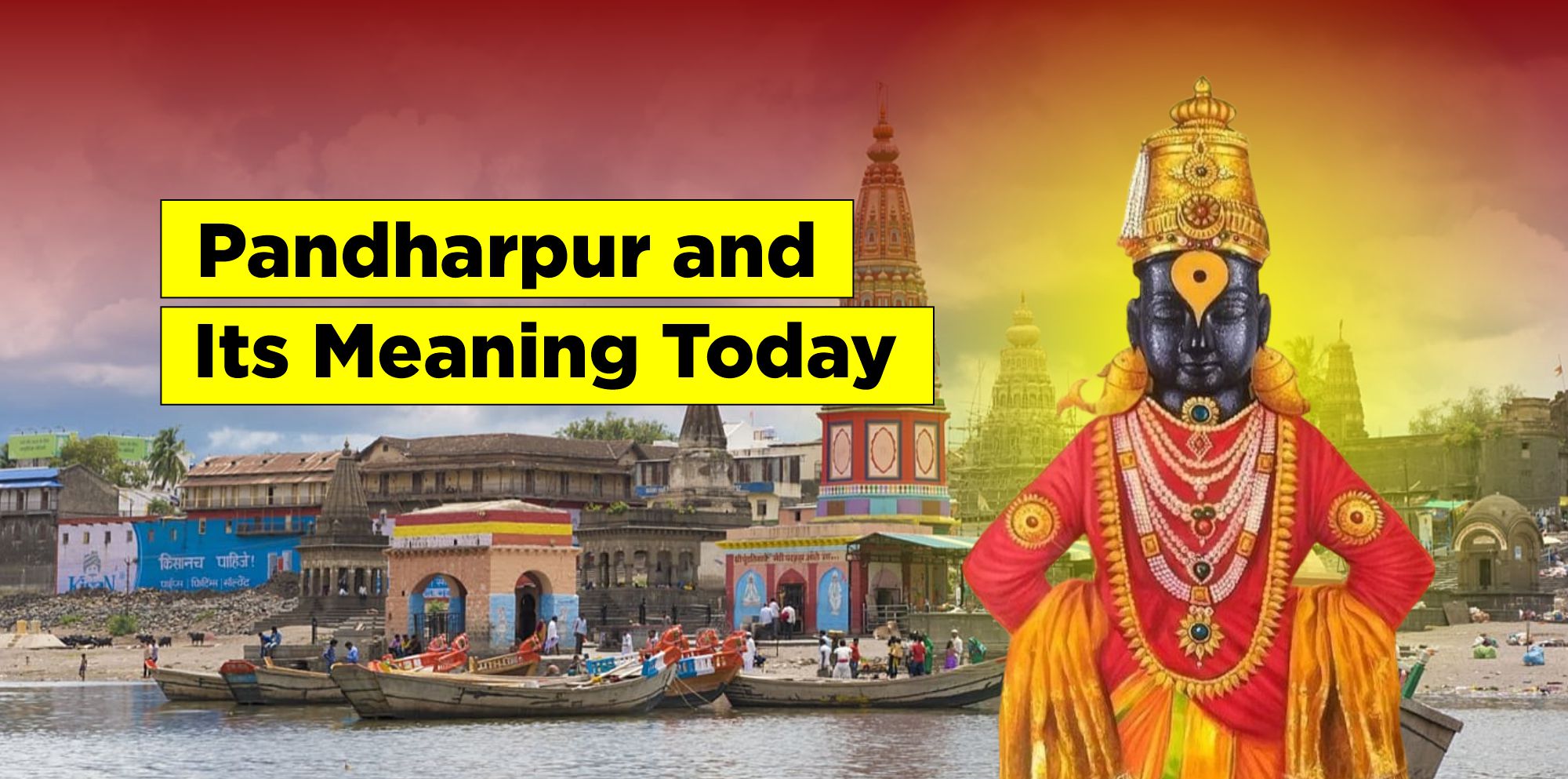
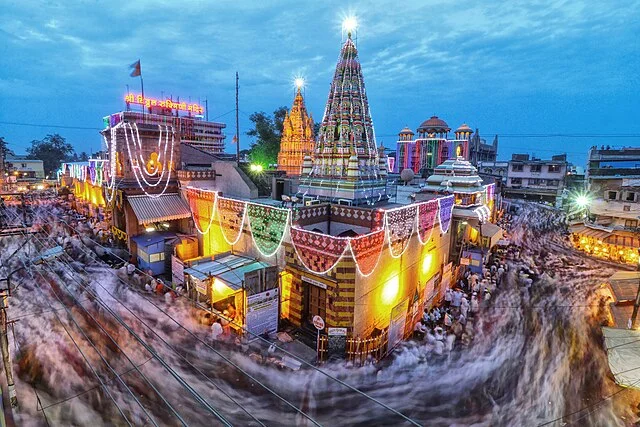
Pandharpur and Its Meaning Today: In the heart of Maharashtra, nestled along the banks of the sacred Chandrabhaga River, lies a town that has, for centuries. Today, as the world races forward with technology and modern ideals, Pandharpur continues to stand still in time, not because it is outdated, but because it holds something the world is desperate to remember: the power of faith, simplicity, and human connection.

It’s not a festival of extravagance, but of endurance. It’s not about reaching early, but reaching together. It’s in the songs sung along the way, the shared meals, the callused feet, and the unshaken smiles that the soul of Pandharpur reveals itself.

In a world increasingly divided by class, opinion, and technology, Pandharpur reminds us what it means to walk in harmony.

The Heartbeat of Devotion

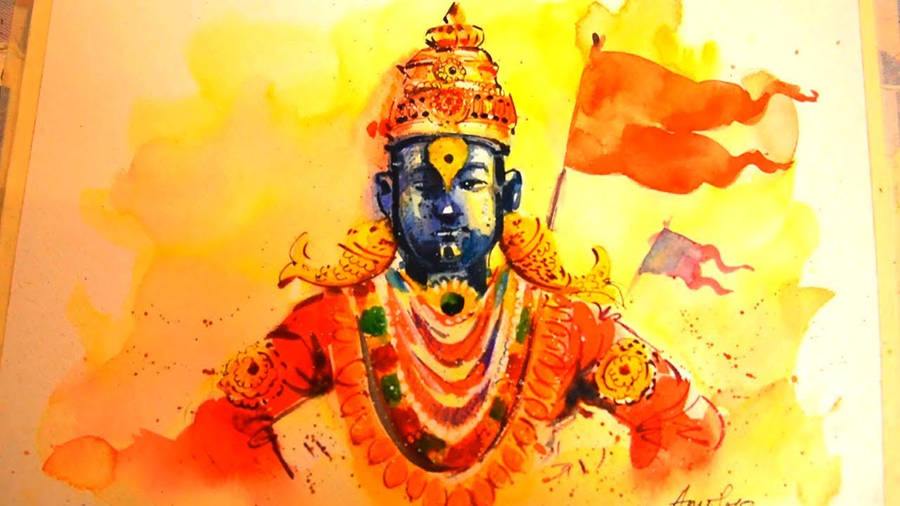
At the centre of it all is Vithoba, or Vitthal, the dark-skinned, standing-with-arms-akimbo form of Lord Krishna or Vishnu. He is a friend, a mother, a listener. “Mauli,” they call Him Mother. The kind of mother you can argue with, cry in front of, and lean on during the worst of times.

There’s something uniquely comforting about Pandharpur’s temple. No gold domes, no opulent marble. Just stone floors worn smooth by countless pilgrim footsteps and a sanctum that resonates with raw, unscripted emotion. People don’t come here to ask for riches. They come to feel seen.

Relevance in Today’s Times

In today's world, where anxiety is high and real connections are low, Pandharpur offers a space where you don’t have to pretend. You don’t need fancy clothes, a high education, or the right vocabulary to pray. You just need a heart willing to bow and a soul ready to sing.

Pandharpur teaches us humility, patience, community, and resilience, qualities we often forget in our busy lives.

More Than Religion

Even if you are not religious, a visit to Pandharpur touches something deep. Maybe it’s the way people help each other without asking. Maybe it’s the collective singing that drowns out your thoughts. Maybe it’s just the peace of seeing thousands of people united by something bigger than themselves.

Whatever it is, Pandharpur doesn’t just stay in your memory. It stays in your heart.
More Trending News

1 YEAR AGO

India’s Grandest Temple Festival: What Makes Thrissur Pooram Unique

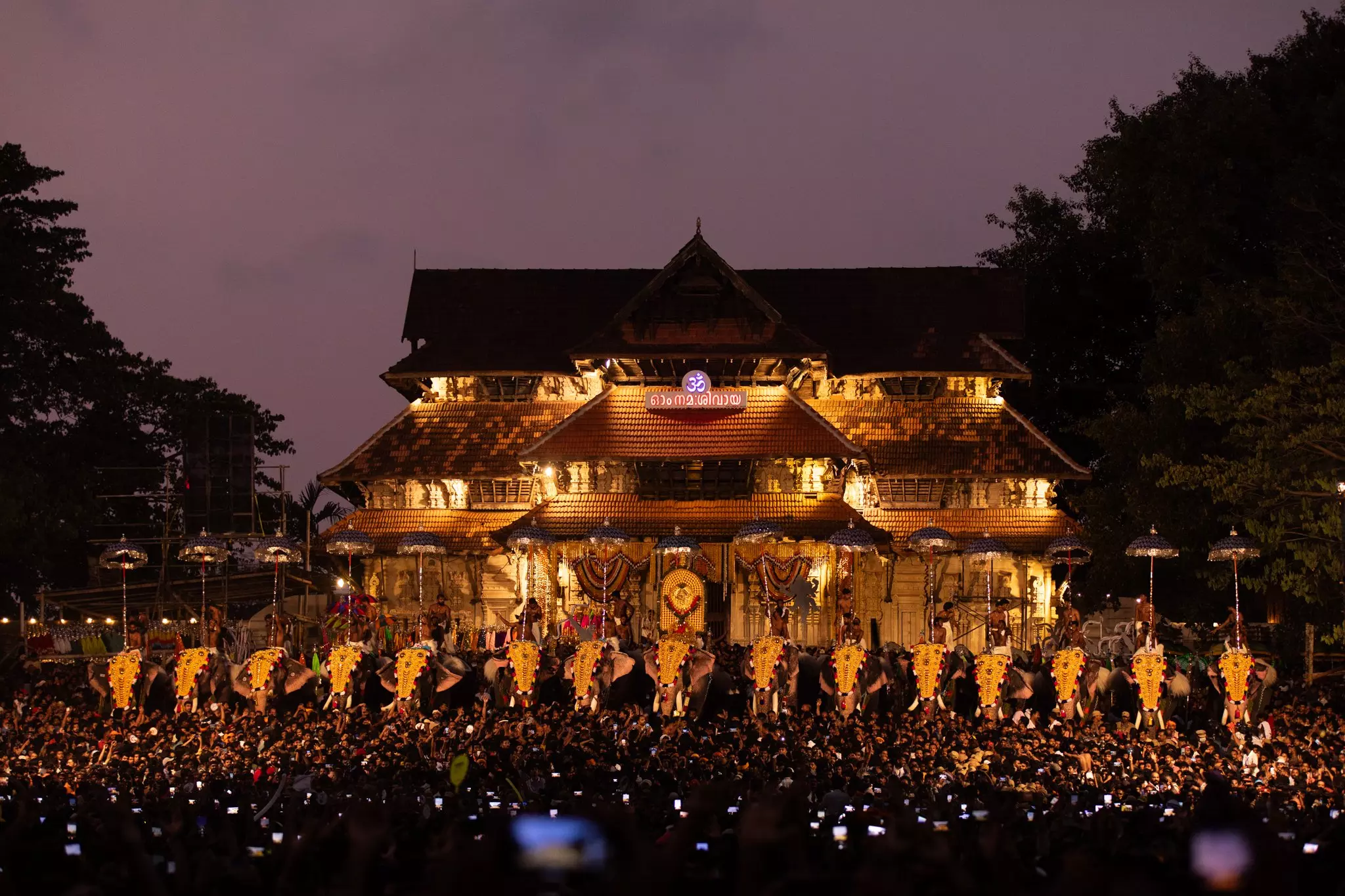
When it comes to temple festivals in India, there’s nothing quite like Thrissur Pooram. Held in the cultural capital of Kerala—Thrissur—this festival is not just big, it’s grand. Every year, the city transforms into a vibrant sea of color, sound, and tradition that leaves even first-time visitors speechless. But what exactly makes Thrissur Pooram so unique? Let’s start with the scale. Thrissur Pooram is also known as the “mother of all festivals” in Kerala, and for good reason. Imagine 50 majestic elephants, dressed in golden caparisons, lined up in front of the ancient Vadakkunnathan Temple. Add to that the thunderous beats of chenda melam (traditional drums), the dazzling kudamattom (colorful umbrella exchange), and an all-night fireworks display that lights up the sky—it’s a sensory overload in the best way possible. That spirit of inclusivity still shines today. The two main temple groups—Paramekkavu and Thiruvambady—compete to outdo each other, but with immense respect and collaboration. From the music to the elephants, everything is prepared with months of devotion, skill, and passion. Another beautiful aspect? Thrissur Pooram isn’t just for devotees—it’s for everyone. Locals, tourists, artists, and photographers all come together, united by a shared sense of wonder. Whether you're religious or not, there's something deeply moving about standing in the crowd, feeling the drums vibrate through your chest, and watching the sky burst with color. Thrissur Pooram is a festival that celebrates tradition, but also reinvention, unity, and the power of people coming together. It’s loud, proud, and unforgettable. So if you’ve never been, put it on your bucket list. Thrissur Pooram is not just a festival—it’s an emotion.

1 YEAR AGO

The Science of Monthly Ekadashi: A Yogic Insight

In every month, Ekadashi falls on the 11th day after the full moon (Shukla Paksha) and the 11th day after the new moon (Krishna Paksha).Many devotees observe it as a day of fasting and devotion, but this ancient tradition has a deep yogic and scientific understanding. Let’s explore the spiritual and physiological science behind Ekadashi — and why our ancient sages recommended it with such importance. Why the 11th Day? - The Lunar Connection In the yogic culture, the lunar cycle is deeply connected with the human system. The moon’s influence on water is well-known — and considering that our bodies are nearly 70% water, it’s no surprise that lunar phases impact our emotions, energy levels, and mental clarity. On Ekadashi, there is a belief that the gravitational pull of the moon is at a unique balance and It creates a certain stillness in the mind and body — a state which is ideal for spiritual practices like meditation, mantra chanting, and fasting. Yogic Insight: The 11th day is when the prana (life energy) within us moves more inward then outward. It’s the best time to go beyond the senses and touch deeper awareness. Fasting on Ekadashi: Not Starving, but Aligning Fasting on Ekadashi is not merely a religious rule. It is a detox process aligns with the rhythms of nature. Scientific Benefits: Gives the digestive system rest, allowing the body to repair itself. Helps in regulation of blood sugar and reduction of inflammation. Boost mental clarity and emotional balance. Reduces tamas and enhances sattva in the body and mind. In yogic terms, when the stomach is light, the energy moves upwards — supporting meditation and inner clarity. Mental & Energetic Effects of Ekadashi Ekadashi is also called a "gateway to the divine" in many scriptures. Energetically, it's a day when our subtle body is more receptive. On this day: Mantras have 10x the impact. Meditation becomes deeper and steadier. Introspection and silence come naturally. The mind is less restless and more open to grace. Spiritual Purpose: A Time to Cleanse Karma In the Bhagavad Gita and Padma Purana, Ekadashi is said to burn past karmas, cleanse sins, and elevate the soul. Fasting, chanting, and avoiding indulgent behavior on this day saves spiritual energy and redirects it toward divine connection. Ekadashi is not just about what you avoid It’s about what you awaken. How to Observe Ekadashi Yogically Fast (as per capacity: full, fruit-only, or light sattvic food). Meditate longer than usual. Stay inward — let silence be your food. Final Thought- Ekadashi is not just a day on the calendar. It’s a day to pause the external noise and tune in to something deeper, still, and divine. So whether you're new to fasting or a regular devotee, approach your next Ekadashi not as a ritual, but as a spiritual reset — a chance to align with the natural intelligence of the universe.

1 YEAR AGO

Foods That Help You Fast Smoothly

In this blog, we share a list of foods that support your fast. 1. Milk & Milk-Based Products: Your Fasting friend Milk and dairy offer a rich source of protein, calcium, and good fats—making them perfect for keeping you full during a long fasting day. Include: Curd to aid digestion Buttermilk to cool the body Paneer for protein Lassi or warm turmeric milk to stay hydrated and nourished 2. Fruits: Nature’s Instant Energy Pack Fruits are light and easy to digest; they are also packed with natural sugars, fiber, and vitamins. They hydrate the body and prevent sugar crashes. Best fruits during fasting: Banana (sustains energy) Apple (refreshing and fibrous) Papaya (aids digestion) Watermelon or muskmelon (hydrating and cooling) tip: Mix fruits into a bowl or smoothie for a refreshing meal. 3. Sabudana: Small Balls, Big Energy Sabudana is a popular fasting food. It is high in carbohydrates and quickly provides energy. How to eat it: Sabudana khichdi with peanuts Sabudana vada Sabudana kheer with jaggery or rock sugar 4. Potatoes and Sweet Potatoes: These are rich in complex carbohydrates that keep you full. Sweet potatoes also contain fiber, potassium, and antioxidants. Suggestions: Boiled and seasoned with sendha namak Roasted or stir-fried in ghee Mixed into fasting-friendly tikkis or sabzis 5. Samak Rice: Samak rice, also known as “vrat ke chawal,” feels like rice without the heaviness. What you can make: Samak khichdi with peanuts Samak pulao with fasting veggies Samak kheer 6. Dry Fruits and Nuts: Instant Energy Boosters dry fruits like dates and raisins offer natural sugars. my fav: Almonds (soaked overnight) Cashews and walnuts Dates as a quick energy snack Raisins for sweetness in dishes 7. Sendha Namak (Rock Salt): Fasting-Friendly Seasoning Unlike regular salt, sendha namak is allowed during fasts and is easy on the stomach. 8. Coconut Water: Hydrate Naturally Hydration becomes very important during the fasting period, especially in warmer months.Thats why Avoid sugary or carbonated drinks. Better options include: Coconut water (rich in natural electrolytes) Ginger tea (aids digestion) Tulsi tea or lemon water (without salt or sugar) Bonus Tip: Use Ghee Mindfully A little pure desi ghee added to your meals can prevent acidity and promote digestion during fasts. It also enhances flavor and provides energy.

3 WEEKS AGO

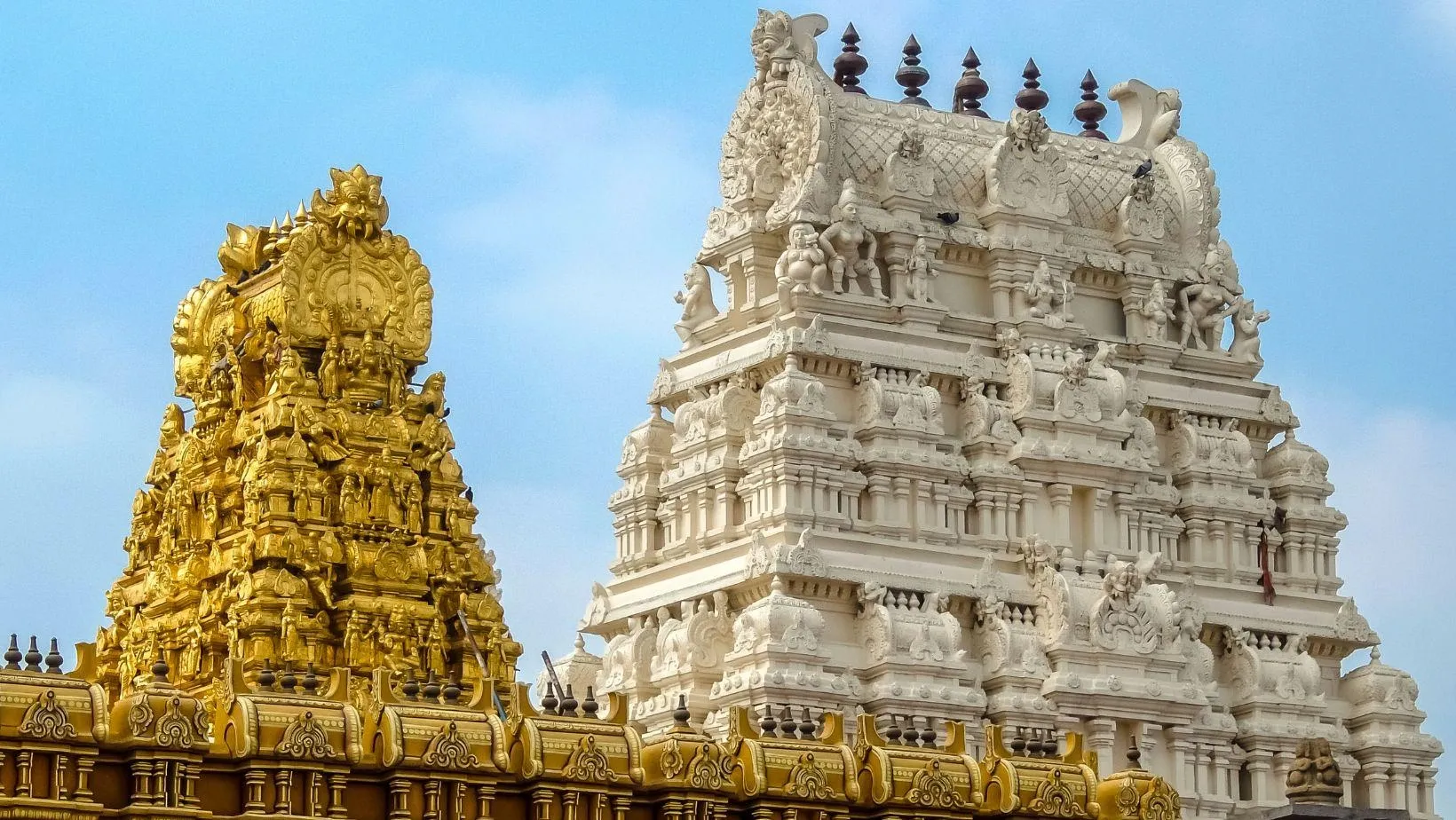
Tirupati Balaji Darshan

One of the richest and most visited temples in the world, dedicated to Lord Venkateswara. Devotees walk uphill or stand in long queues with full faith, seeking blessings for prosperity and peace.

3 WEEKS AGO

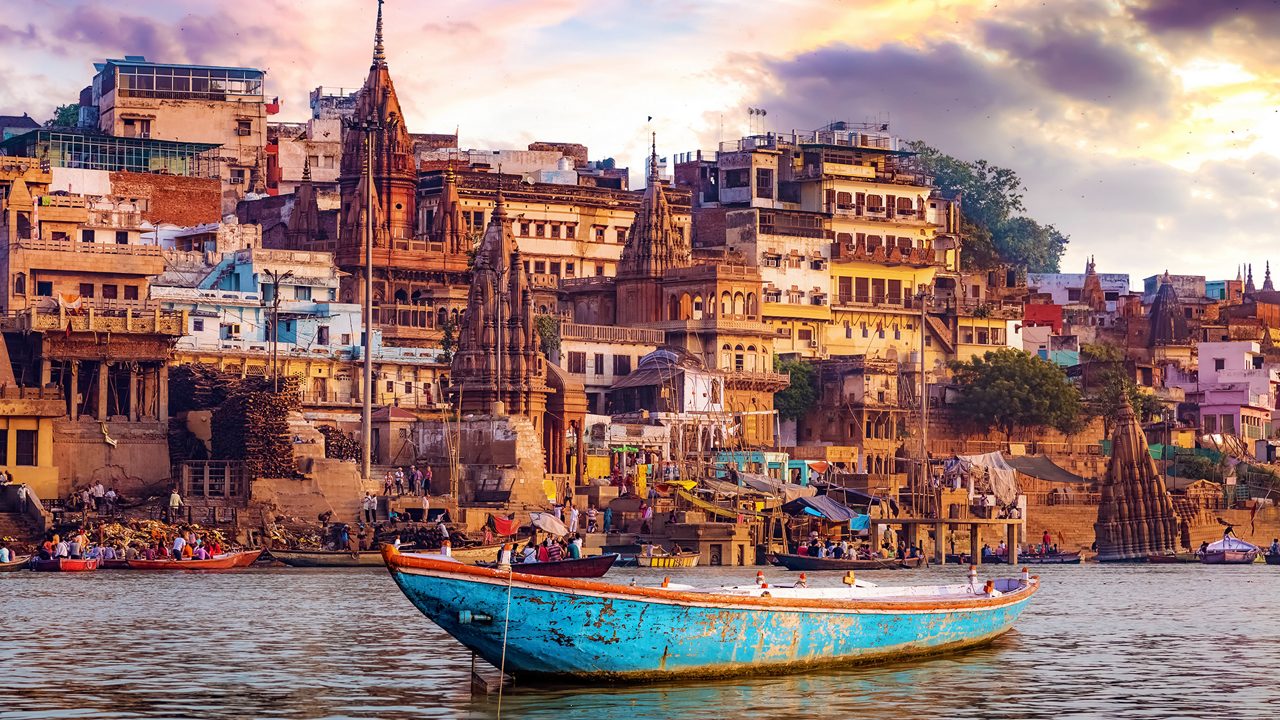
Varanasi Spiritual Retreat

Considered the oldest living city, Varanasi offers a deep spiritual experience through Ganga Aarti, Kashi Vishwanath Temple, and meditative boat rides. Many believe dying here grants liberation.

3 WEEKS AGO

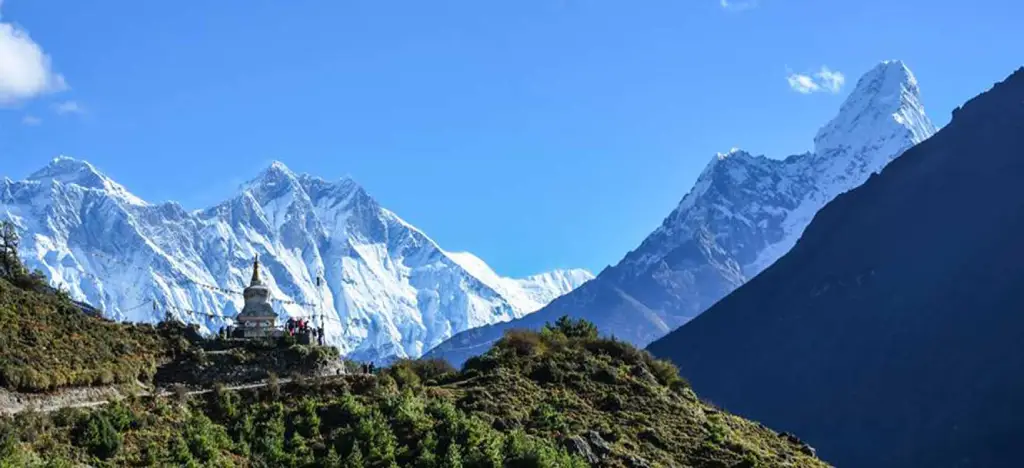
Kailash Mansarovar Yatra

One of the most spiritually powerful journeys, this yatra circles Mount Kailash—considered the abode of Lord Shiva—and includes a holy dip in Lake Mansarovar. It’s a test of both physical endurance and spiritual depth.

3 WEEKS AGO

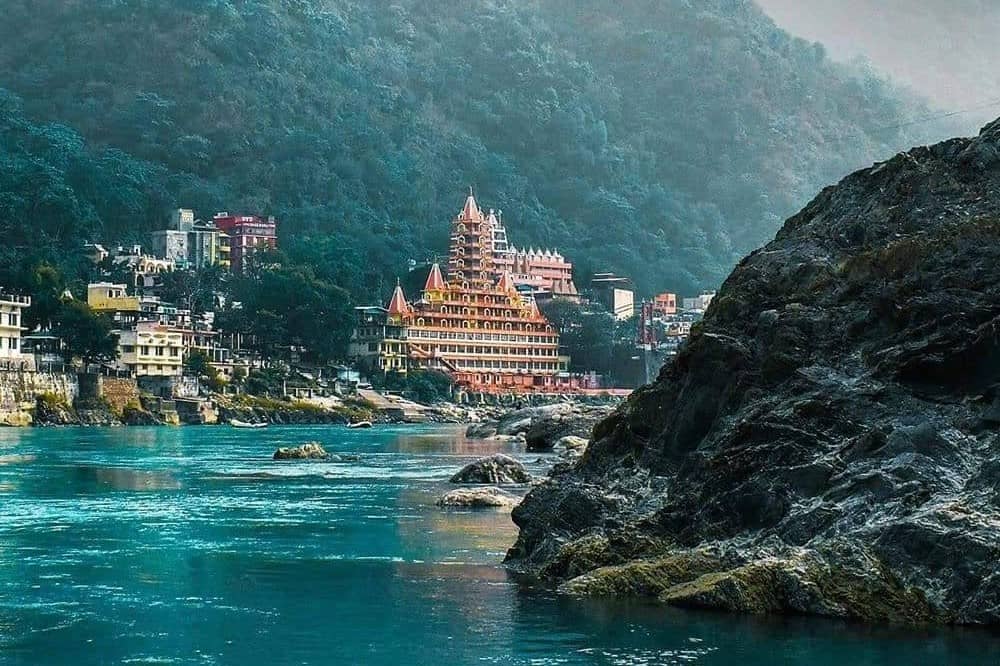
Char Dham Yatra

A sacred pilgrimage to the four holy shrines—Badrinath, Kedarnath, Gangotri, and Yamunotri. Believed to cleanse the soul and help attain moksha, this journey takes you through the majestic Himalayas and deep devotion.

3 WEEKS AGO

The history of the Wari

The history of the Wari In the world we live in today, where people are constantly rushing from one task to the next, there’s a tradition that slows everything down, not because it’s slow, but because it teaches us the value of walking together. That tradition is Wari, or Vari Parampara, a centuries-old spiritual journey that brings together millions of devotees every year in Maharashtra. What is Wari? Wari is a pilgrimage where people, called Warkaris, walk for hundreds of kilometres to reach the holy town of Pandharpur, the home of Lord Vitthal (Vithoba), a form of Lord Krishna. They walk with palkhis (palanquins) carrying the footprints or symbolic belongings of saints like Sant Dnyaneshwar and Sant Tukaram. A Tradition of Over 700 Years This incredible tradition has been followed for over 700 years. It started with the teachings of great saints like Sant Dnyaneshwar, Sant Tukaram, Sant Namdev, and many others who believed that God lives among the people, not only in temples. For them, walking together to Pandharpur was a way of expressing love and surrender to Vitthal not just with prayers, but with action, sweat, and shared human spirit. Who Are the Warkaris? Warkaris are not defined by age, caste, class, or education. They are farmers, students, workers, housewives, everyday people with extraordinary faith. Wearing simple white clothes, tulsi malas, and a small bag, they walk joyfully, singing abhangas (devotional songs), playing tal, mridang, and ektara. They help each other, feed strangers, and live simply along the route. There’s no show, no luxury, just pure devotion and community spirit. Lessons from the Wari In today’s digital world, where people often feel disconnected despite being online, the Wari teaches us to reconnect with ourselves and each other. Here’s what Wari gives us: Patience – Walking long distances requires strength and control. Equality – Everyone walks together. No one is above or below. Discipline – Daily prayers, songs, and service bring focus to the mind. Unity – People from different villages, backgrounds, and beliefs move like one big family. Gratitude – Even with minimum resources, Warkaris are filled with joy and thankfulness. Why Wari Still Matters Today It shows us that faith doesn’t need big temples or expensive rituals. It just needs a willing heart and a walking step. In a time when the world needs more love, kindness, and togetherness, the Vari Parampara is not just relevant, it’s necessary. Final Thought You may not be a Warkari, and you may never walk in the Wari. But even learning about it reminds us of what really matters: faith, simplicity, and walking together on life’s path.