Welcome to Yugantar Life • Join as a Creator →
The Science of Monthly Ekadashi: A Yogic Insight

The Science of Monthly Ekadashi: A Yogic Insight

Yugantar

1 year ago

99 views ·1 year ago
#TrendingNews #trending_news

In every month, Ekadashi falls on the 11th day after the full moon (Shukla Paksha) and the 11th day after the new moon (Krishna Paksha).Many devotees observe it as a day of fasting and devotion, but this ancient tradition has a deep yogic and scientific understanding. Let’s explore the spiritual and physiological science behind Ekadashi — and why our ancient sages recommended it with such importance. Why the 11th Day? - The Lunar Connection In the yogic culture, the lunar cycle is deeply connected with the human system. The moon’s influence on water is well-known — and considering that our bodies are nearly 70% water, it’s no surprise that lunar phases impact our emotions, energy levels, and mental clarity. On Ekadashi, there is a belief that the gravitational pull of the moon is at a unique balance and It creates a certain stillness in the mind and body — a state which is ideal for spiritual practices like meditation, mantra chanting, and fasting. Yogic Insight: The 11th day is when the prana (life energy) within us moves more inward then outward. It’s the best time to go beyond the senses and touch deeper awareness. Fasting on Ekadashi: Not Starving, but Aligning Fasting on Ekadashi is not merely a religious rule. It is a detox process aligns with the rhythms of nature. Scientific Benefits: Gives the digestive system rest, allowing the body to repair itself. Helps in regulation of blood sugar and reduction of inflammation. Boost mental clarity and emotional balance. Reduces tamas and enhances sattva in the body and mind. In yogic terms, when the stomach is light, the energy moves upwards — supporting meditation and inner clarity. Mental & Energetic Effects of Ekadashi Ekadashi is also called a "gateway to the divine" in many scriptures. Energetically, it's a day when our subtle body is more receptive. On this day: Mantras have 10x the impact. Meditation becomes deeper and steadier. Introspection and silence come naturally. The mind is less restless and more open to grace. Spiritual Purpose: A Time to Cleanse Karma In the Bhagavad Gita and Padma Purana, Ekadashi is said to burn past karmas, cleanse sins, and elevate the soul. Fasting, chanting, and avoiding indulgent behavior on this day saves spiritual energy and redirects it toward divine connection. Ekadashi is not just about what you avoid It’s about what you awaken. How to Observe Ekadashi Yogically Fast (as per capacity: full, fruit-only, or light sattvic food). Meditate longer than usual. Stay inward — let silence be your food. Final Thought- Ekadashi is not just a day on the calendar. It’s a day to pause the external noise and tune in to something deeper, still, and divine. So whether you're new to fasting or a regular devotee, approach your next Ekadashi not as a ritual, but as a spiritual reset — a chance to align with the natural intelligence of the universe.


More Trending News

E-Book
prajwal warkhade · 2 WEEKS AGO

new one

test

Sanskrit
prajwal warkhade · 2 WEEKS AGO

hanuman chalisa

test

Trending News Pandharpur and Its Meaning Today
Yugantar · 1 YEAR AGO

Pandharpur and Its Meaning Today

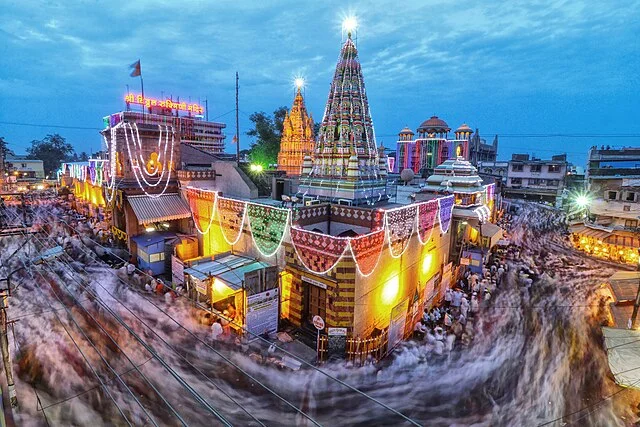
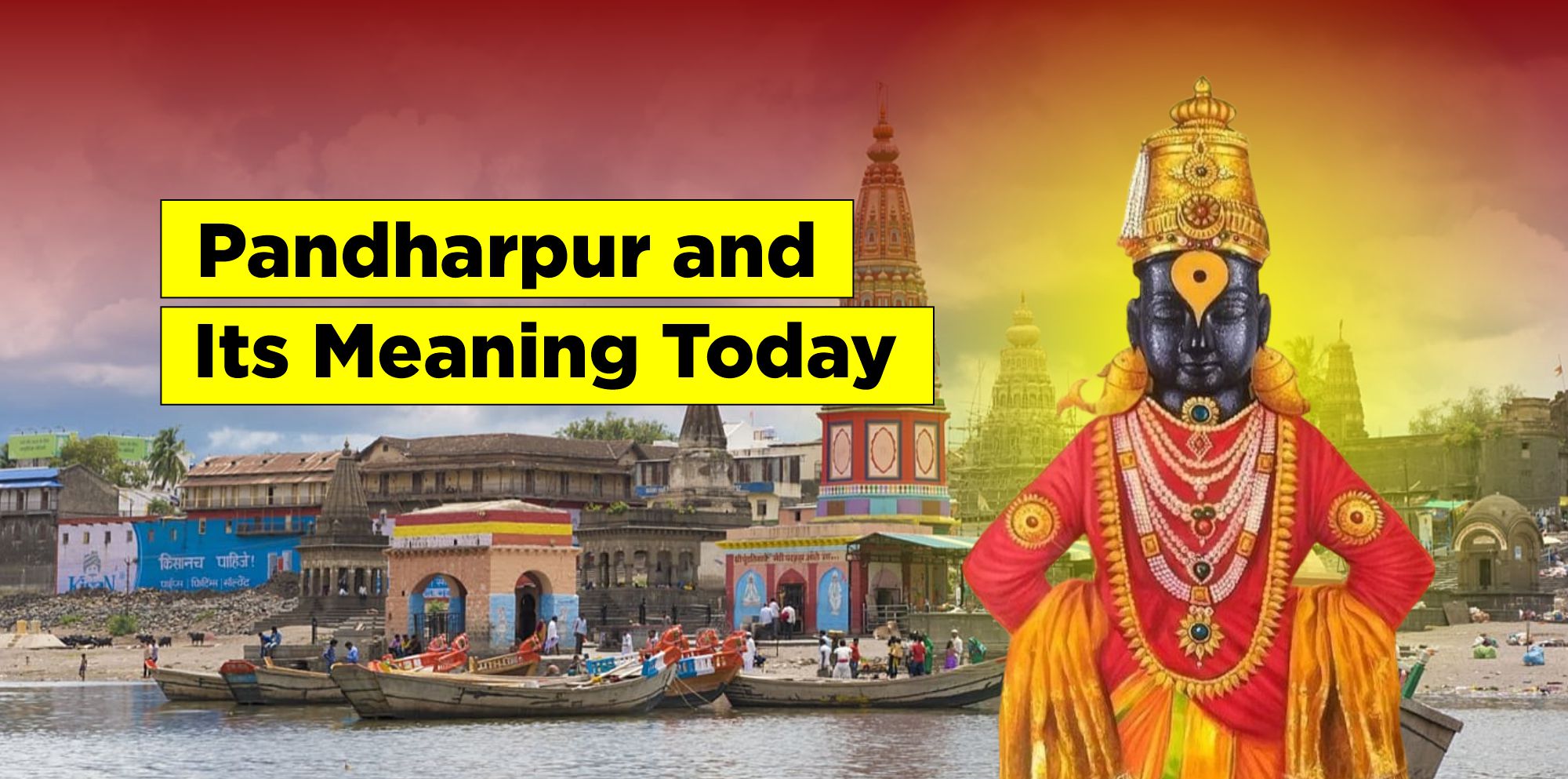
Pandharpur and Its Meaning Today Pandharpur and Its Meaning Today: In the heart of Maharashtra, nestled along the banks of the sacred Chandrabhaga River, lies a town that has, for centuries. Today, as the world races forward with technology and modern ideals, Pandharpur continues to stand still in time, not because it is outdated, but because it holds something the world is desperate to remember: the power of faith, simplicity, and human connection. It’s not a festival of extravagance, but of endurance. It’s not about reaching early, but reaching together. It’s in the songs sung along the way, the shared meals, the callused feet, and the unshaken smiles that the soul of Pandharpur reveals itself. In a world increasingly divided by class, opinion, and technology, Pandharpur reminds us what it means to walk in harmony. The Heartbeat of Devotion At the centre of it all is Vithoba, or Vitthal, the dark-skinned, standing-with-arms-akimbo form of Lord Krishna or Vishnu. He is a friend, a mother, a listener. “Mauli,” they call Him Mother. The kind of mother you can argue with, cry in front of, and lean on during the worst of times. There’s something uniquely comforting about Pandharpur’s temple. No gold domes, no opulent marble. Just stone floors worn smooth by countless pilgrim footsteps and a sanctum that resonates with raw, unscripted emotion. People don’t come here to ask for riches. They come to feel seen. Relevance in Today’s Times In today's world, where anxiety is high and real connections are low, Pandharpur offers a space where you don’t have to pretend. You don’t need fancy clothes, a high education, or the right vocabulary to pray. You just need a heart willing to bow and a soul ready to sing. Pandharpur teaches us humility, patience, community, and resilience, qualities we often forget in our busy lives. More Than Religion Even if you are not religious, a visit to Pandharpur touches something deep. Maybe it’s the way people help each other without asking. Maybe it’s the collective singing that drowns out your thoughts. Maybe it’s just the peace of seeing thousands of people united by something bigger than themselves. Whatever it is, Pandharpur doesn’t just stay in your memory. It stays in your heart.

Trending News Mohini Ekadashi – A Day to Cleanse the Mind and Soul
Yugantar · 1 YEAR AGO

Mohini Ekadashi – A Day to Cleanse the Mind and Soul

Introduction In our fast-moving lives, where we’re always chasing after something materialistic, money, success, comfort, there come a few days that remind us what really matters. Mohini Ekadashi is one such sacred day that occurs on the 11th day of the Shukla Paksha in the month of Vaishakh (April–May). On Mohini Ekadashi, devotees of the Bhangwan Vishnu observe fast, offer prayers, and seek blessings to be free from mistakes that happen unintentionally in the past and get closer to peace, purity, and ultimately—moksha, be released from the cycle of birth and death. The Story Behind Mohini Ekadashi – The Divine Trick That Saved the World Padma Purana has a beautiful story that explains why this day is so special. During the time of Samudra Manthan, many divine treasures emerged, when the Amrit finally surfaced the Devas and Asuras were started fighting for it—the essence of immortality and The Asuras, with their sheer might and cunning, were on the verge of claiming it To stop the demons from getting it, Lord Vishnu took the form of Mohini, a divinely beautiful woman. The beauty of Mohini caused the demons to lose all focus and then she cleverly gave the Amrit only to the gods, and restored the balance in the universe.  

Trending News Foods That Help You Fast Smoothly
Yugantar · 1 YEAR AGO

Foods That Help You Fast Smoothly

In this blog, we share a list of foods that support your fast. 1. Milk & Milk-Based Products: Your Fasting friend Milk and dairy offer a rich source of protein, calcium, and good fats—making them perfect for keeping you full during a long fasting day. Include: Curd to aid digestion Buttermilk to cool the body Paneer for protein Lassi or warm turmeric milk to stay hydrated and nourished 2. Fruits: Nature’s Instant Energy Pack Fruits are light and easy to digest; they are also packed with natural sugars, fiber, and vitamins. They hydrate the body and prevent sugar crashes. Best fruits during fasting: Banana (sustains energy) Apple (refreshing and fibrous) Papaya (aids digestion) Watermelon or muskmelon (hydrating and cooling) tip: Mix fruits into a bowl or smoothie for a refreshing meal. 3. Sabudana: Small Balls, Big Energy Sabudana is a popular fasting food. It is high in carbohydrates and quickly provides energy. How to eat it: Sabudana khichdi with peanuts Sabudana vada Sabudana kheer with jaggery or rock sugar 4. Potatoes and Sweet Potatoes: These are rich in complex carbohydrates that keep you full. Sweet potatoes also contain fiber, potassium, and antioxidants. Suggestions: Boiled and seasoned with sendha namak Roasted or stir-fried in ghee Mixed into fasting-friendly tikkis or sabzis 5. Samak Rice: Samak rice, also known as “vrat ke chawal,” feels like rice without the heaviness. What you can make: Samak khichdi with peanuts Samak pulao with fasting veggies Samak kheer 6. Dry Fruits and Nuts: Instant Energy Boosters dry fruits like dates and raisins offer natural sugars. my fav: Almonds (soaked overnight) Cashews and walnuts Dates as a quick energy snack Raisins for sweetness in dishes 7. Sendha Namak (Rock Salt): Fasting-Friendly Seasoning Unlike regular salt, sendha namak is allowed during fasts and is easy on the stomach. 8. Coconut Water: Hydrate Naturally Hydration becomes very important during the fasting period, especially in warmer months.Thats why Avoid sugary or carbonated drinks. Better options include: Coconut water (rich in natural electrolytes) Ginger tea (aids digestion) Tulsi tea or lemon water (without salt or sugar) Bonus Tip: Use Ghee Mindfully A little pure desi ghee added to your meals can prevent acidity and promote digestion during fasts. It also enhances flavor and provides energy.

Spiritual दैनंदिन पूजा विधी: एक सोपी मार्गदर्शिका
prajwal warkhade · 2 WEEKS AGO

दैनंदिन पूजा विधी: एक सोपी मार्गदर्शिका

दैनंदिन पूजा अर्थपूर्ण होण्यासाठी विस्तृत असण्याची गरज नाही — तिच्या मुळाशी कृतज्ञता आणि नात्याची एक शांत, सातत्यपूर्ण कृती आहे. बहुतेक परंपरा पूजास्थान स्वच्छ करून दिवा आणि उदबत्ती लावण्यापासून सुरू होतात, त्यानंतर निवडलेल्या देवतेच्या उपस्थितीसाठी आणि आशीर्वादासाठी एक संक्षिप्त आवाहन केले जाते. फुले, पाणी, कुंकवाचा टिळा आणि नैवेद्य (भक्तिभावाने अर्पण केलेले अन्न) यांसारख्या गोष्टी हात जोडून अर्पण केल्या जातात, अनेकदा एखाद्या आवडत्या मंत्रासह किंवा आरतीसह. क्रम — शुद्धीकरण, आवाहन, अर्पण आणि समारोपाची प्रार्थना — यामागील प्रामाणिक भावनेइतका महत्त्वाचा नाही; दररोज सकाळचे पाच एकाग्र मिनिटेही उर्वरित दिवस स्थिर ठेवू शकतात. अनेक कुटुंबे एक ठराविक वेळ, सहसा सूर्योदयाची, राखून ठेवतात जेणेकरून हा विधी अधूनमधूनच्या जबाबदारीऐवजी एक स्थिर सवय बनेल. शेवटी, दैनंदिन पूजा ही समारंभापेक्षा जीवनाच्या दिनक्रमात चिंतन, नम्रता आणि कृतज्ञतेसाठी एक नियमित विराम जोपासण्याशी अधिक संबंधित आहे.

Spiritual Daily Puja Vidhi: A Simple Guide
prajwal warkhade · 2 WEEKS AGO

Daily Puja Vidhi: A Simple Guide

A daily puja need not be elaborate to be meaningful, at its heart, it is a quiet, consistent act of gratitude and connection. Most traditions begin with cleaning the puja space and lighting a lamp (diya) and incense, followed by a short invocation asking for the presence and blessings of the chosen deity. Offerings such as flowers, water, a tilak of kumkum, and naivedya (food offered in devotion) are presented with folded hands, often accompanied by a favourite mantra or aarti. The order, purification, invocation, offering, and closing prayer, matters less than the sincerity behind it; even five focused minutes each morning can anchor the rest of the day. Many households keep a fixed time, typically at sunrise, to build the ritual into a steady habit rather than an occasional obligation. Ultimately, daily puja is less about ceremony and more about cultivating a regular pause for reflection, humility and gratitude amid life's routine.

Spiritual पतंजलींचे योगसूत्र: एक ओळख
prajwal warkhade · 2 WEEKS AGO

पतंजलींचे योगसूत्र: एक ओळख

दोन हजार वर्षांहूनही आधी महर्षी पतंजलींनी संकलित केलेले योगसूत्र हे शास्त्रीय योगदर्शनाचा एक मूलभूत ग्रंथ आहे, जो चार अध्यायांत मांडलेल्या १९६ संक्षिप्त सूत्रांच्या स्वरूपात सादर केला आहे. हा ग्रंथ केवळ शारीरिक आसनांची पुस्तिका नाही, तर योगाची व्याख्या 'चित्तवृत्तिनिरोध' — म्हणजेच मनाच्या चंचलतेला शांत करणे — अशी करतो, आणि त्या स्थैर्याकडे नेणारा पद्धतशीर मार्ग म्हणून अष्टांग योग, म्हणजेच आठ अंगांचा मार्ग मांडतो. ही आठ अंगे — यम (नैतिक संयम), नियम (वैयक्तिक आचरण), आसन (मुद्रा), प्राणायाम (श्वास नियंत्रण), प्रत्याहार (इंद्रियनिग्रह), धारणा (एकाग्रता), ध्यान (मनन) आणि समाधी (तल्लीनता) — बाह्य शिस्तीपासून आंतरिक जाणिवेकडे क्रमाक्रमाने घेऊन जातात. योगसूत्रे मानवी जीवनातील सार्वत्रिक संघर्षांना — विचलन, आसक्ती, भीती आणि अस्वस्थता — संबोधित करतात, आणि अमूर्त सिद्धांताऐवजी व्यावहारिक मार्गदर्शन देतात. आजही, जगभरातील योगसाधक पतंजलींच्या या चौकटीकडे केवळ शारीरिक सरावासाठीच नव्हे, तर मन अधिक चांगल्या प्रकारे समजून घेण्यासाठी आणि टिकाऊ आंतरिक स्थैर्य जोपासण्यासाठीही वळतात.