Welcome to SARGANDHA • Join as a Partner →
Play
Tripurari Purnima 2026: Story, Significance, Puja Vidhi & Rituals

Tripurari Purnima 2026: Story, Significance, Puja Vidhi & Rituals

Discover Tripurari Purnima 2026 date, the story of Lord Shiva and Tripurasura, Kartik Purnima significance, Deep Daan rituals and puja samagri.

P

Pawan

3 hours ago

1 views ·3 hours ago
#TrendingNews #SpiritualEvents

Tripurari Purnima 2026: Significance, Story of Lord Shiva, Kartik Purnima Rituals & Puja Samagri

Tripurari Purnima is one of the most sacred occasions in Hindu tradition. Celebrated on Kartik Shukla Purnima, this auspicious day commemorates Lord Shiva's victory over the demon Tripurasura and the destruction of his three powerful cities.

Also known as Tripuri Purnima and Kartik Purnima, this festival symbolises the victory of good over evil and light over darkness.

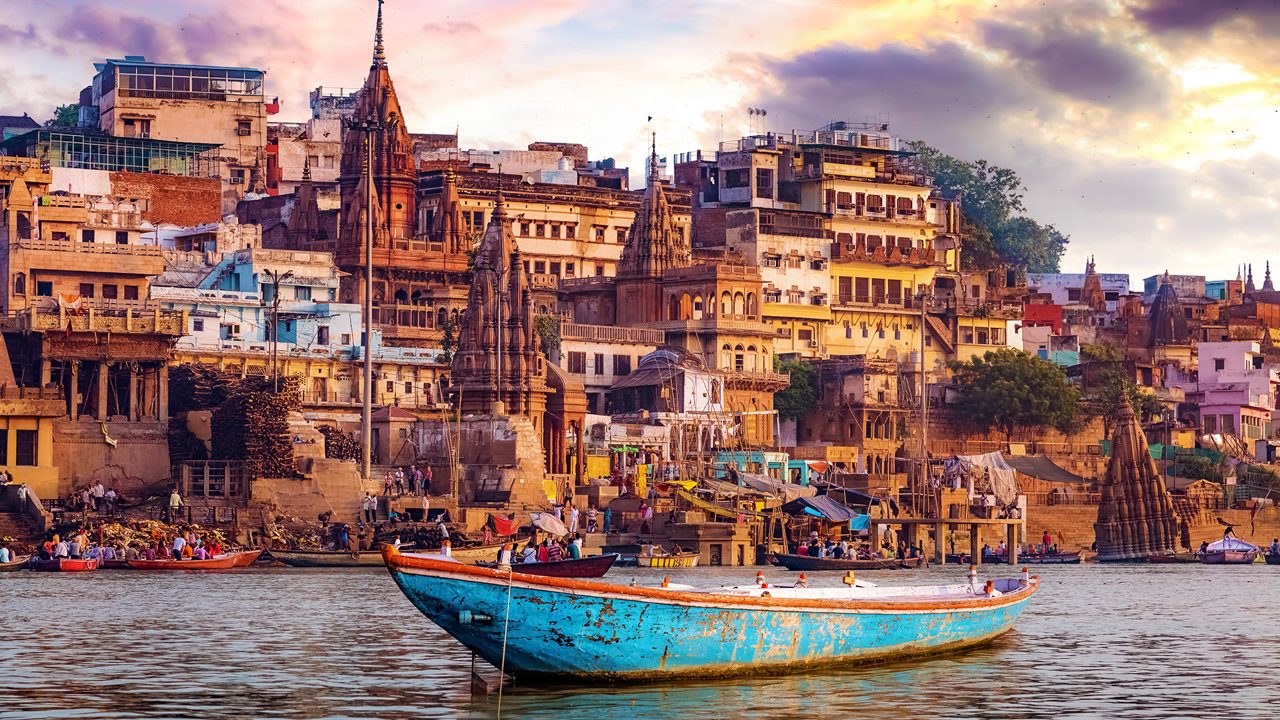
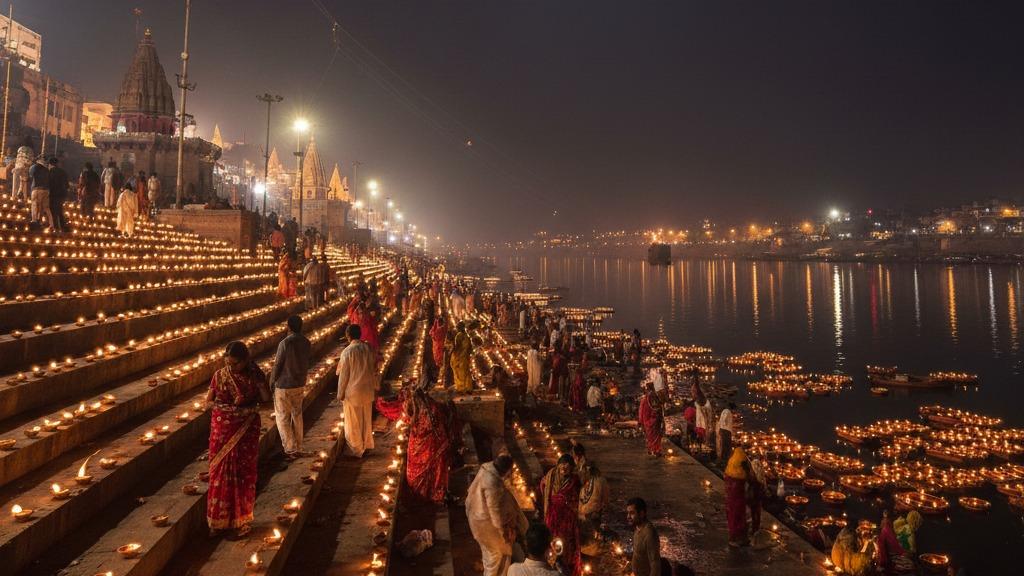
Devotees celebrate this occasion by worshipping Lord Shiva, taking holy baths, lighting earthen diyas, performing Deep Daan and offering prayers. In many regions, the same occasion is celebrated as Dev Diwali, the Diwali of the Gods.

When Is Tripurari Purnima in 2026?

Tripurari Purnima will be celebrated on Tuesday, 24 November 2026.

It falls on the full moon day of Kartik Shukla Paksha and is also observed as Kartik Purnima and Dev Diwali.

Important Date and Tithi Details:

  • Festival: Tripurari Purnima
  • Date: Tuesday, 24 November 2026
  • Hindu Month: Kartik
  • Paksha: Shukla Paksha
  • Tithi: Purnima
  • Purnima Tithi Begins: 11:42 PM on 23 November 2026
  • Purnima Tithi Ends: 8:23 PM on 24 November 2026

The above timings are based on the New Delhi Panchang. Local timings may vary.

What Is Tripurari Purnima?

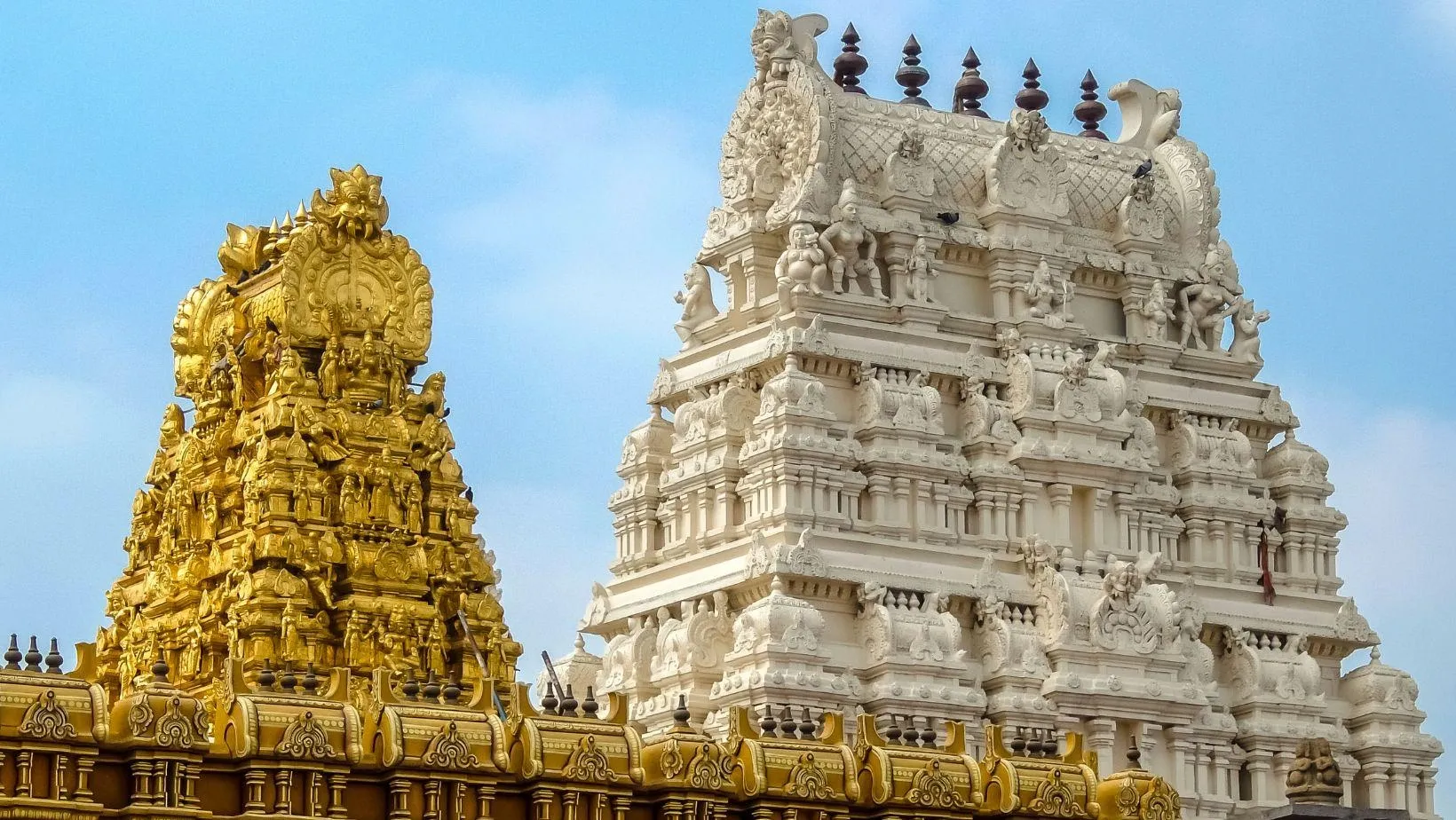
Tripurari Purnima is a Hindu festival dedicated primarily to Lord Shiva.

The word Tripurari is made up of two words:

  • Tripura: The three cities associated with Tripurasura.
  • Ari: Enemy or destroyer.

Lord Shiva is known as Tripurari because he destroyed the three cities of Tripurasura and restored peace and balance in the universe.

The Story of Tripurari Purnima: Lord Shiva and Tripurasura

According to Hindu mythology, there were three powerful demon brothers who performed intense penance and received a boon from Lord Brahma.

Their names were Tarakaksha, Kamalaksha and Vidyunmali.

They were granted three magnificent cities known as Tripura:

  • One city was made of gold.
  • One city was made of silver.
  • One city was made of iron.

These cities were extremely powerful and could move through the universe. The three demon brothers gradually became arrogant and began troubling the gods and disturbing the balance of the universe.

The gods approached Lord Shiva and requested his help.

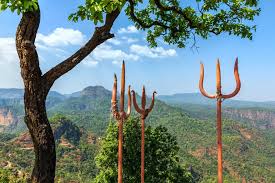
To restore Dharma and protect the universe, Lord Shiva took the divine form of Tripurantaka.

According to the traditional legend, when the three cities aligned, Lord Shiva destroyed all three with a single divine arrow.

This victory over Tripurasura became a symbol of the triumph of good over evil.

The gods celebrated this divine victory by lighting lamps. This tradition is associated with the celebration of Tripurari Purnima and Dev Diwali.

Religious Significance of Tripurari Purnima

Tripurari Purnima holds deep spiritual importance for devotees of Lord Shiva.

Some important religious beliefs associated with this day include:

1. Victory of Good Over Evil

The destruction of Tripurasura represents the victory of righteousness over arrogance, negativity and evil.

2. Worship of Lord Shiva

Devotees worship Lord Shiva as Tripurantaka and seek blessings for peace, strength and spiritual progress.

3. Importance of Deep Daan

Lighting lamps is an important tradition. It symbolises the removal of darkness and the awakening of inner wisdom.

4. Spiritual Purification

Kartik Purnima is considered an auspicious day for holy bathing, prayers, meditation and religious activities.

5. Charity and Kindness

Donating food, clothes and essential items to people in need is considered a meaningful way to observe the occasion.

Why Is Tripurari Purnima Also Called Kartik Purnima?

Tripurari Purnima and Kartik Purnima refer to the same auspicious full moon day.

Kartik Purnima is the name of the full moon day in the Hindu month of Kartik.

It is called Tripurari Purnima because of Lord Shiva's victory over Tripurasura on this occasion, according to Hindu tradition.

The same festival is also celebrated as Dev Diwali in several regions of India.

Different names highlight different aspects of this sacred day:

  • Kartik Purnima: The full moon of the Kartik month.
  • Tripurari Purnima: Lord Shiva's victory over Tripurasura.
  • Tripuri Purnima: Another traditional name for the same occasion.
  • Dev Diwali: The festival believed to be celebrated by the gods.

How Is Tripurari Purnima Celebrated?

Devotees celebrate this sacred occasion with traditional worship and devotional activities.

Common celebrations include:

  • Taking a holy bath early in the morning.
  • Worshipping Lord Shiva.
  • Offering flowers, water and Bilva leaves.
  • Chanting Shiva mantras.
  • Lighting earthen diyas in temples and homes.
  • Performing Deep Daan.
  • Donating food and clothes.
  • Visiting Shiva temples.
  • Listening to religious stories and prayers.

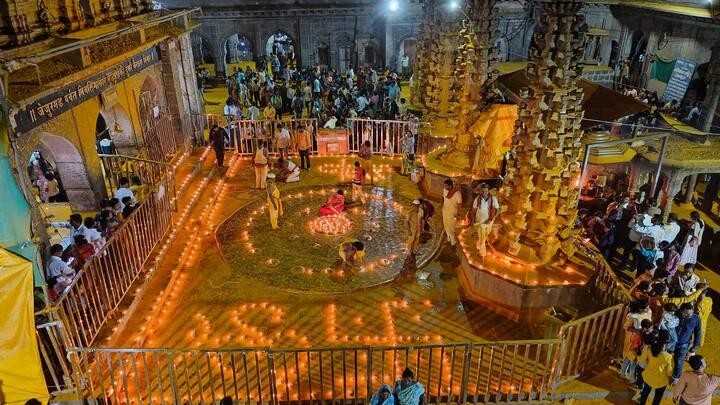
In Maharashtra, the festival is popularly known as Tripuri Pournima. Many Shiva temples illuminate their traditional stone lamp towers, known as Deepmalas.

Tripurari Purnima Puja Samagri List

Here is a traditional Tripurari Purnima puja samagri checklist:

  1. Lord Shiva idol or picture
  2. Shivling, where available
  3. Clean water and Gangajal
  4. Milk for Abhishek
  5. Bilva leaves
  6. Fresh flowers
  7. Haldi and Kumkum
  8. Akshat (uncooked rice)
  9. Sandalwood paste
  10. Earthen diyas
  11. Cotton wicks
  12. Pure ghee or diya oil
  13. Agarbatti
  14. Dhoop or Sambrani
  15. Kapoor
  16. Fruits
  17. Sweets and Prasad
  18. Coconut
  19. Puja thali
  20. Brass bell

The exact puja items may vary according to regional and family traditions.

Tripurari Purnima Puja Vidhi: Step-by-Step Rituals

Devotees can perform a simple Lord Shiva puja at home by following these traditional steps.

1. Clean the Puja Area

Clean the home temple and prepare a peaceful place for worship. Keep all the required puja materials ready.

2. Take a Holy Bath

Wake up early and take a bath. Devotees traditionally consider Kartik Purnima an auspicious day for Kartik Snan.

3. Worship Lord Ganesha

Begin the puja by remembering Lord Ganesha and seeking his blessings.

4. Perform Lord Shiva Abhishek

Offer clean water and other traditional Abhishek materials to the Shivling, according to your family customs.

5. Offer Bilva Leaves and Flowers

Offer Bilva leaves, fresh flowers, sandalwood paste and Akshat to Lord Shiva.

6. Light Diya and Agarbatti

Light a ghee or oil diya and offer incense sticks and dhoop during the puja.

7. Chant Shiva Mantras

Devotees can chant:

Om Namah Shivaya

This simple mantra is widely recited by devotees of Lord Shiva.

8. Perform Deep Daan

In the evening, light earthen diyas and offer them at a temple or another safe and appropriate place.

9. Perform Aarti

Conclude the puja with Lord Shiva's aarti and distribute Prasad among family members.

What Is Deep Daan on Tripurari Purnima?

Deep Daan means offering a lighted lamp as an act of devotion.

It is one of the most significant traditions associated with Kartik Purnima.

Devotees light earthen diyas in temples, near rivers, around their homes and at other sacred places.

The spiritual meaning of Deep Daan includes:

  • Light overcoming darkness.
  • Knowledge overcoming ignorance.
  • Goodness overcoming negativity.
  • Faith and devotion towards God.
  • Gratitude and spiritual awakening.

In many Shiva temples across Maharashtra, traditional Deepmalas are illuminated with numerous lamps on Tripuri Pournima.


Diya and Cotton Wicks: Used for lighting lamps and performing aarti. They symbolise divine light and devotion.


Ghee: Traditionally used for lighting sacred diyas.

Agarbatti: Creates a pleasant fragrance and a peaceful atmosphere during worship.

Sambrani and Dhoop: Traditionally used during religious ceremonies and prayers.

Kapoor: Commonly used during aarti as an offering to the deity.

Bilva Leaves: Considered especially sacred in the worship of Lord Shiva.

Preparing these essentials before the festival helps devotees perform their puja with devotion.

Conclusion

Tripurari Purnima is a beautiful celebration of Lord Shiva's divine power and the victory of good over evil.

The story of Tripurasura reminds us that arrogance, negativity and ignorance can be overcome through wisdom, faith and righteousness.

By worshipping Lord Shiva, lighting diyas, performing Deep Daan and helping those in need, devotees celebrate the true spirit of Kartik Purnima.

Celebrate Tripurari Purnima 2026 with devotion, traditional puja essentials and heartfelt prayers. May Lord Shiva bless every home with peace, strength and happiness.

About the author

Pawan

0 followers

I am a content Creator

More Trending News

Trending News दैनिक पूजा विधि: एक सरल मार्गदर्शिका
Sargandha admin · 2 MONTHS AGO

दैनिक पूजा विधि: एक सरल मार्गदर्शिका

एक दैनिक पूजा को सार्थक होने के लिए विस्तृत होना आवश्यक नहीं है — इसके मूल में कृतज्ञता और जुड़ाव का एक शांत, निरंतर कार्य है। अधिकांश परंपराएं पूजा स्थान की सफाई और दीपक तथा धूप जलाने से शुरू होती हैं, इसके बाद चुने हुए देवता की उपस्थिति और आशीर्वाद के लिए एक संक्षिप्त आह्वान किया जाता है। फूल, जल, कुमकुम का तिलक और नैवेद्य (भक्तिभाव से अर्पित भोजन) जैसी वस्तुएं हाथ जोड़कर अर्पित की जाती हैं, प्रायः किसी प्रिय मंत्र या आरती के साथ। क्रम — शुद्धिकरण, आह्वान, अर्पण और समापन प्रार्थना — इसके पीछे की सच्ची भावना जितना महत्वपूर्ण नहीं है; हर सुबह के पांच एकाग्र मिनट भी शेष दिन को स्थिर कर सकते हैं। कई परिवार एक निश्चित समय, आमतौर पर सूर्योदय, रखते हैं ताकि यह अनुष्ठान कभी-कभार के दायित्व के बजाय एक स्थिर आदत बन सके। अंततः, दैनिक पूजा समारोह से कम और जीवन की दिनचर्या के बीच चिंतन, विनम्रता तथा कृतज्ञता के लिए एक नियमित विराम विकसित करने से अधिक संबंधित है।

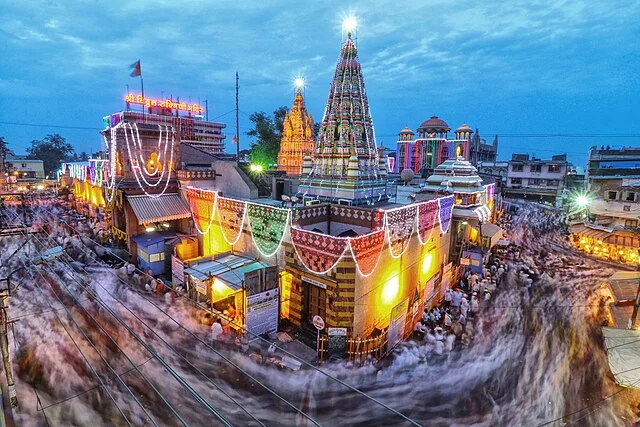
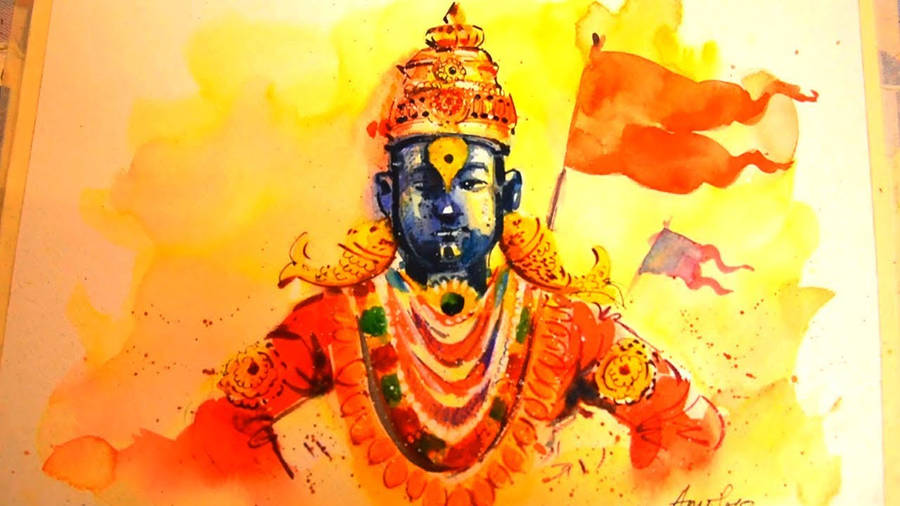
Trending News Pandharpur and Its Meaning Today
SARGANDHA · 1 YEAR AGO

Pandharpur and Its Meaning Today

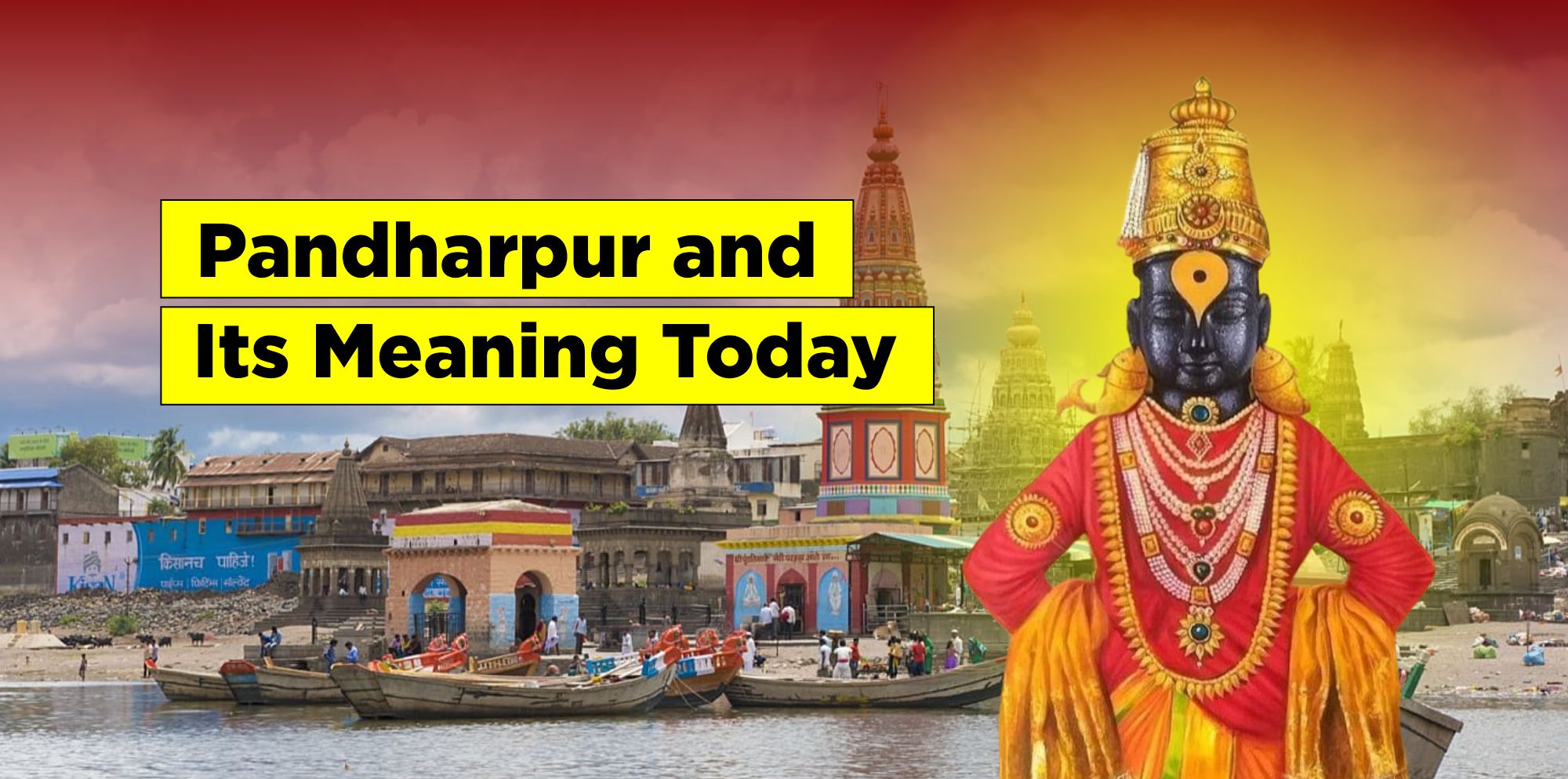
Pandharpur and Its Meaning Today Pandharpur and Its Meaning Today: In the heart of Maharashtra, nestled along the banks of the sacred Chandrabhaga River, lies a town that has, for centuries. Today, as the world races forward with technology and modern ideals, Pandharpur continues to stand still in time, not because it is outdated, but because it holds something the world is desperate to remember: the power of faith, simplicity, and human connection. It’s not a festival of extravagance, but of endurance. It’s not about reaching early, but reaching together. It’s in the songs sung along the way, the shared meals, the callused feet, and the unshaken smiles that the soul of Pandharpur reveals itself. In a world increasingly divided by class, opinion, and technology, Pandharpur reminds us what it means to walk in harmony. The Heartbeat of Devotion At the centre of it all is Vithoba, or Vitthal, the dark-skinned, standing-with-arms-akimbo form of Lord Krishna or Vishnu. He is a friend, a mother, a listener. “Mauli,” they call Him Mother. The kind of mother you can argue with, cry in front of, and lean on during the worst of times. There’s something uniquely comforting about Pandharpur’s temple. No gold domes, no opulent marble. Just stone floors worn smooth by countless pilgrim footsteps and a sanctum that resonates with raw, unscripted emotion. People don’t come here to ask for riches. They come to feel seen. Relevance in Today’s Times In today's world, where anxiety is high and real connections are low, Pandharpur offers a space where you don’t have to pretend. You don’t need fancy clothes, a high education, or the right vocabulary to pray. You just need a heart willing to bow and a soul ready to sing. Pandharpur teaches us humility, patience, community, and resilience, qualities we often forget in our busy lives. More Than Religion Even if you are not religious, a visit to Pandharpur touches something deep. Maybe it’s the way people help each other without asking. Maybe it’s the collective singing that drowns out your thoughts. Maybe it’s just the peace of seeing thousands of people united by something bigger than themselves. Whatever it is, Pandharpur doesn’t just stay in your memory. It stays in your heart.

Trending News Mohini Ekadashi – A Day to Cleanse the Mind and Soul
SARGANDHA · 1 YEAR AGO

Mohini Ekadashi – A Day to Cleanse the Mind and Soul

Introduction In our fast-moving lives, where we’re always chasing after something materialistic, money, success, comfort, there come a few days that remind us what really matters. Mohini Ekadashi is one such sacred day that occurs on the 11th day of the Shukla Paksha in the month of Vaishakh (April–May). On Mohini Ekadashi, devotees of the Bhangwan Vishnu observe fast, offer prayers, and seek blessings to be free from mistakes that happen unintentionally in the past and get closer to peace, purity, and ultimately—moksha, be released from the cycle of birth and death. The Story Behind Mohini Ekadashi – The Divine Trick That Saved the World Padma Purana has a beautiful story that explains why this day is so special. During the time of Samudra Manthan, many divine treasures emerged, when the Amrit finally surfaced the Devas and Asuras were started fighting for it—the essence of immortality and The Asuras, with their sheer might and cunning, were on the verge of claiming it To stop the demons from getting it, Lord Vishnu took the form of Mohini, a divinely beautiful woman. The beauty of Mohini caused the demons to lose all focus and then she cleverly gave the Amrit only to the gods, and restored the balance in the universe.  

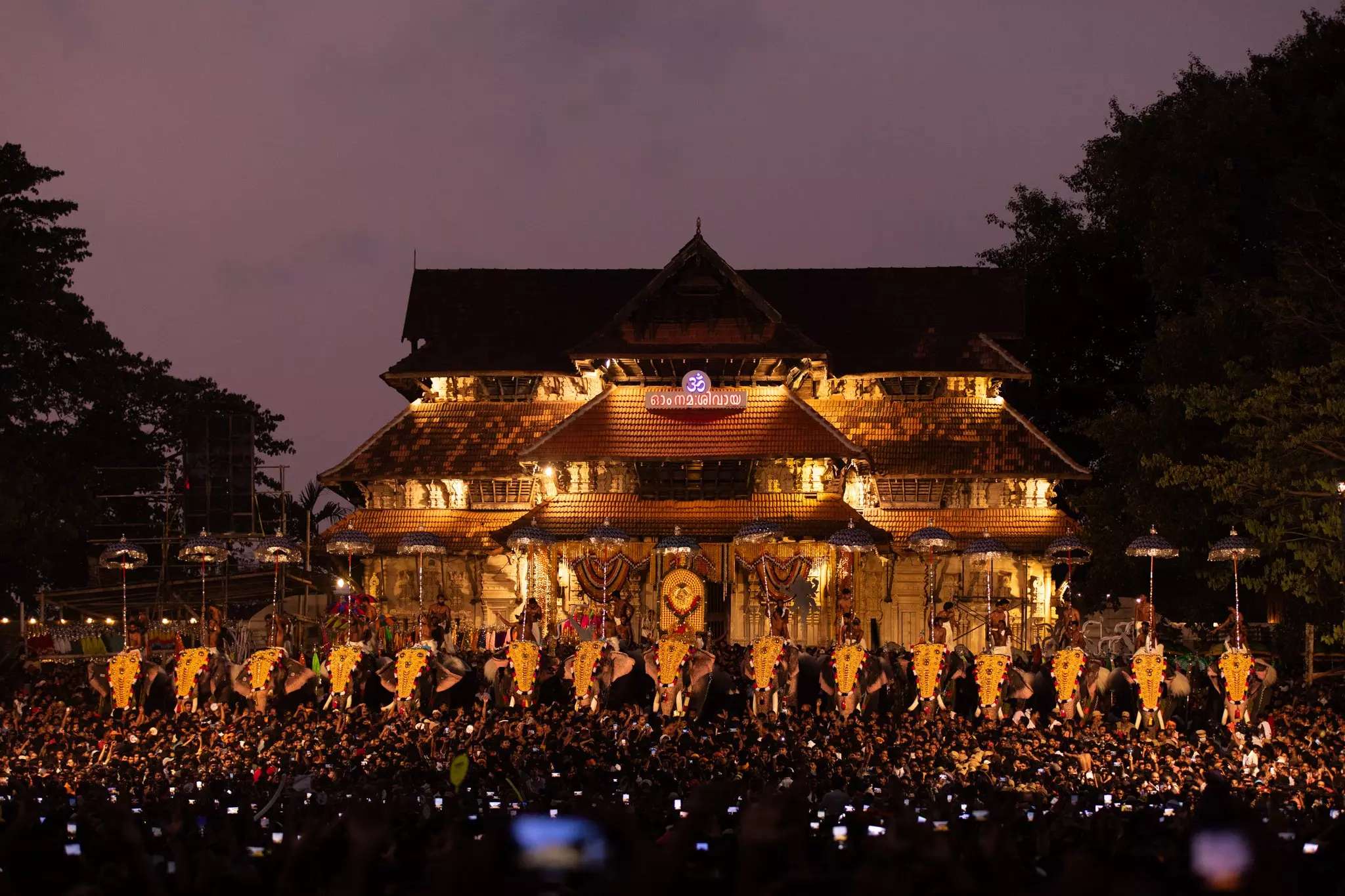
Trending News India’s Grandest Temple Festival: What Makes Thrissur Pooram Unique
SARGANDHA · 1 YEAR AGO

India’s Grandest Temple Festival: What Makes Thrissur Pooram Unique

When it comes to temple festivals in India, there’s nothing quite like Thrissur Pooram. Held in the cultural capital of Kerala—Thrissur—this festival is not just big, it’s grand. Every year, the city transforms into a vibrant sea of color, sound, and tradition that leaves even first-time visitors speechless. But what exactly makes Thrissur Pooram so unique? Let’s start with the scale. Thrissur Pooram is also known as the “mother of all festivals” in Kerala, and for good reason. Imagine 50 majestic elephants, dressed in golden caparisons, lined up in front of the ancient Vadakkunnathan Temple. Add to that the thunderous beats of chenda melam (traditional drums), the dazzling kudamattom (colorful umbrella exchange), and an all-night fireworks display that lights up the sky—it’s a sensory overload in the best way possible. That spirit of inclusivity still shines today. The two main temple groups—Paramekkavu and Thiruvambady—compete to outdo each other, but with immense respect and collaboration. From the music to the elephants, everything is prepared with months of devotion, skill, and passion. Another beautiful aspect? Thrissur Pooram isn’t just for devotees—it’s for everyone. Locals, tourists, artists, and photographers all come together, united by a shared sense of wonder. Whether you're religious or not, there's something deeply moving about standing in the crowd, feeling the drums vibrate through your chest, and watching the sky burst with color. Thrissur Pooram is a festival that celebrates tradition, but also reinvention, unity, and the power of people coming together. It’s loud, proud, and unforgettable. So if you’ve never been, put it on your bucket list. Thrissur Pooram is not just a festival—it’s an emotion.

Trending News Foods That Help You Fast Smoothly
SARGANDHA · 1 YEAR AGO

Foods That Help You Fast Smoothly

In this blog, we share a list of foods that support your fast. 1. Milk & Milk-Based Products: Your Fasting friend Milk and dairy offer a rich source of protein, calcium, and good fats—making them perfect for keeping you full during a long fasting day. Include: Curd to aid digestion Buttermilk to cool the body Paneer for protein Lassi or warm turmeric milk to stay hydrated and nourished 2. Fruits: Nature’s Instant Energy Pack Fruits are light and easy to digest; they are also packed with natural sugars, fiber, and vitamins. They hydrate the body and prevent sugar crashes. Best fruits during fasting: Banana (sustains energy) Apple (refreshing and fibrous) Papaya (aids digestion) Watermelon or muskmelon (hydrating and cooling) tip: Mix fruits into a bowl or smoothie for a refreshing meal. 3. Sabudana: Small Balls, Big Energy Sabudana is a popular fasting food. It is high in carbohydrates and quickly provides energy. How to eat it: Sabudana khichdi with peanuts Sabudana vada Sabudana kheer with jaggery or rock sugar 4. Potatoes and Sweet Potatoes: These are rich in complex carbohydrates that keep you full. Sweet potatoes also contain fiber, potassium, and antioxidants. Suggestions: Boiled and seasoned with sendha namak Roasted or stir-fried in ghee Mixed into fasting-friendly tikkis or sabzis 5. Samak Rice: Samak rice, also known as “vrat ke chawal,” feels like rice without the heaviness. What you can make: Samak khichdi with peanuts Samak pulao with fasting veggies Samak kheer 6. Dry Fruits and Nuts: Instant Energy Boosters dry fruits like dates and raisins offer natural sugars. my fav: Almonds (soaked overnight) Cashews and walnuts Dates as a quick energy snack Raisins for sweetness in dishes 7. Sendha Namak (Rock Salt): Fasting-Friendly Seasoning Unlike regular salt, sendha namak is allowed during fasts and is easy on the stomach. 8. Coconut Water: Hydrate Naturally Hydration becomes very important during the fasting period, especially in warmer months.Thats why Avoid sugary or carbonated drinks. Better options include: Coconut water (rich in natural electrolytes) Ginger tea (aids digestion) Tulsi tea or lemon water (without salt or sugar) Bonus Tip: Use Ghee Mindfully A little pure desi ghee added to your meals can prevent acidity and promote digestion during fasts. It also enhances flavor and provides energy.

Spiritual दैनंदिन पूजा विधी: एक सोपी मार्गदर्शिका
Sargandha admin · 2 MONTHS AGO

दैनंदिन पूजा विधी: एक सोपी मार्गदर्शिका

दैनंदिन पूजा अर्थपूर्ण होण्यासाठी विस्तृत असण्याची गरज नाही — तिच्या मुळाशी कृतज्ञता आणि नात्याची एक शांत, सातत्यपूर्ण कृती आहे. बहुतेक परंपरा पूजास्थान स्वच्छ करून दिवा आणि उदबत्ती लावण्यापासून सुरू होतात, त्यानंतर निवडलेल्या देवतेच्या उपस्थितीसाठी आणि आशीर्वादासाठी एक संक्षिप्त आवाहन केले जाते. फुले, पाणी, कुंकवाचा टिळा आणि नैवेद्य (भक्तिभावाने अर्पण केलेले अन्न) यांसारख्या गोष्टी हात जोडून अर्पण केल्या जातात, अनेकदा एखाद्या आवडत्या मंत्रासह किंवा आरतीसह. क्रम — शुद्धीकरण, आवाहन, अर्पण आणि समारोपाची प्रार्थना — यामागील प्रामाणिक भावनेइतका महत्त्वाचा नाही; दररोज सकाळचे पाच एकाग्र मिनिटेही उर्वरित दिवस स्थिर ठेवू शकतात. अनेक कुटुंबे एक ठराविक वेळ, सहसा सूर्योदयाची, राखून ठेवतात जेणेकरून हा विधी अधूनमधूनच्या जबाबदारीऐवजी एक स्थिर सवय बनेल. शेवटी, दैनंदिन पूजा ही समारंभापेक्षा जीवनाच्या दिनक्रमात चिंतन, नम्रता आणि कृतज्ञतेसाठी एक नियमित विराम जोपासण्याशी अधिक संबंधित आहे.

Spiritual Daily Puja Vidhi: A Simple Guide
Sargandha admin · 2 MONTHS AGO

Daily Puja Vidhi: A Simple Guide

A daily puja need not be elaborate to be meaningful, at its heart, it is a quiet, consistent act of gratitude and connection. Most traditions begin with cleaning the puja space and lighting a lamp (diya) and incense, followed by a short invocation asking for the presence and blessings of the chosen deity. Offerings such as flowers, water, a tilak of kumkum, and naivedya (food offered in devotion) are presented with folded hands, often accompanied by a favourite mantra or aarti. The order, purification, invocation, offering, and closing prayer, matters less than the sincerity behind it; even five focused minutes each morning can anchor the rest of the day. Many households keep a fixed time, typically at sunrise, to build the ritual into a steady habit rather than an occasional obligation. Ultimately, daily puja is less about ceremony and more about cultivating a regular pause for reflection, humility and gratitude amid life's routine.

Spiritual पतंजलींचे योगसूत्र: एक ओळख
Sargandha admin · 2 MONTHS AGO

पतंजलींचे योगसूत्र: एक ओळख

दोन हजार वर्षांहूनही आधी महर्षी पतंजलींनी संकलित केलेले योगसूत्र हे शास्त्रीय योगदर्शनाचा एक मूलभूत ग्रंथ आहे, जो चार अध्यायांत मांडलेल्या १९६ संक्षिप्त सूत्रांच्या स्वरूपात सादर केला आहे. हा ग्रंथ केवळ शारीरिक आसनांची पुस्तिका नाही, तर योगाची व्याख्या 'चित्तवृत्तिनिरोध' — म्हणजेच मनाच्या चंचलतेला शांत करणे — अशी करतो, आणि त्या स्थैर्याकडे नेणारा पद्धतशीर मार्ग म्हणून अष्टांग योग, म्हणजेच आठ अंगांचा मार्ग मांडतो. ही आठ अंगे — यम (नैतिक संयम), नियम (वैयक्तिक आचरण), आसन (मुद्रा), प्राणायाम (श्वास नियंत्रण), प्रत्याहार (इंद्रियनिग्रह), धारणा (एकाग्रता), ध्यान (मनन) आणि समाधी (तल्लीनता) — बाह्य शिस्तीपासून आंतरिक जाणिवेकडे क्रमाक्रमाने घेऊन जातात. योगसूत्रे मानवी जीवनातील सार्वत्रिक संघर्षांना — विचलन, आसक्ती, भीती आणि अस्वस्थता — संबोधित करतात, आणि अमूर्त सिद्धांताऐवजी व्यावहारिक मार्गदर्शन देतात. आजही, जगभरातील योगसाधक पतंजलींच्या या चौकटीकडे केवळ शारीरिक सरावासाठीच नव्हे, तर मन अधिक चांगल्या प्रकारे समजून घेण्यासाठी आणि टिकाऊ आंतरिक स्थैर्य जोपासण्यासाठीही वळतात.